Tag: Executive Personal Branding

  • Grounded Greatness: How to Effectively Communicate Your Brand Essence Without Shrinking Back or Selling Loudly

    Grounded Greatness: How to Effectively Communicate Your Brand Essence Without Shrinking Back or Selling Loudly

    Hint: it doesn’t start with wordsmithing  

    In the dense forests of Northern California stands Hyperion, the tallest known living redwood tree, reaching a breathtaking 380 feet into the sky. What’s less visible—but equally impressive—is the vast underground root system that supports its height. While redwoods don’t have deep taproots, they survive by intertwining their roots with other redwoods, forming a wide, resilient network that keeps them grounded and upright.

    This is the metaphor we invite you to consider as you think about how to communicate your own transferable skills and leadership genius: it’s not about towering over others or blending into the canopy. It’s about rooting into your unique value with clarity, conviction, and connection—so you can rise without toppling, thrive without apology, and serve without shrinking.

    If you’re a C-Suite executive, senior leader, business owner, or founder facing a pivot (planned or unplanned), launching something new, or simply trying to find your next peak, this newsletter is your compass. You’ll learn how to position your strengths without sounding salesy, how to overcome imposter syndrome (everyone has it!), and why every summit starts at the base—with strong roots and a clear declaration of who you are.

    The Power of Positioning and Messaging: Ground First, Then Rise

    Most senior leaders don’t struggle with communicating the essence of their personal brands because they lack experience, intelligence, or vision. They struggle because they’ve spent so much time doing the work, they haven’t made the time to step back to message the work. Many of my clients tell me that when it comes time to reposition, pitch, or pursue something new, they either sound “too vague, too verbose or too self-promotional—and none of them land very well.”

    The antidote? Clarity. And clarity doesn’t start with wordsmithing—it starts with your roots. It starts with what we call a Brand Declaration (BD)—a bold, precise articulation of who you are, what you stand for, and how you lead.

    Your BD has three essential parts:

    1. Your Purpose (2-3 words): The unshakeable core of why you exist to serve.
    2. Your Why: The place where you’re best in the world and the transformation you create when you’re operating from your inherent strengths, your unique zone of genius.
    3. Your Hows: Your leadership filters—your non-negotiable floor for how you show up that enable you to say no gracefully to things that no longer serve you and to lean into what truly lights you up.

    When rooted in this clarity, your message writes itself. You’re no longer explaining what you’ve done—you’re expressing who you are and how you lead. You’re not asking for validation—you’re extending an invitation to work with someone extraordinary: you.

    Please, before you do your TEDtalk or commencement speech, write a book, submit your CV/resume, redesign your website or revise your LinkedIn (you get the picture!), start here. This is your messaging bedrock, your personal brand GPS.


    Lessons from the Summit: What Past Climbers Know That You Might Forget

    Talk to any accomplished climber—or executive who’s made a bold leap—and they’ll tell you: what gets you to one summit won’t always get you to the next. In fact, every ascent begins with a descent: letting go of old mindsets, outdated narratives, and overly humble language that no longer fits.

    If you’re a C-suite leader leading transformative change or pivoting industries or a founder who just sold a company, the temptation is to lead with the safe stuff: years of experience, titles held, metrics achieved. But the truth is, people don’t buy your resume—they buy your relevance. They want to know what you know how to do now, in today’s climate, with today’s teams, tools, and challenges.

    That’s where transferable skills come in—but only if they’re positioned properly.

    You have to translate them, not just list them. You’re not saying, “I ran ops for a $100M healthcare startup.” You’re saying, “I translate chaos into structure. I scale ideas into impact. I honor and involve people to transform cultures.” See the difference? One tells your history. The other is an introduction to tell your story.

    And here’s the thing most summiters know: you have to tell the story before someone else does. Because if you don’t define your brand, the market will do it for you—and yikes, they’ll likely get it wrong or it will get lost in a sea of sameness.

    That’s why you need a Brand Declaration. It’s your line in the sand and your launchpad. When done right, it becomes the backbone of your:

    • New role, new mandate, or new leadership chapter
    • New business or brand launch
    • LinkedIn, website, CV, or bio refresh
    • Messaging for pitches, media, speaking, book outline or interviews

    Before you go to market with any asset, get your narrative straight. Not just the story of what you’ve done, but the story of who you are becoming and the why that drives you.


    Overcoming Self-Doubt: The Confidence to Claim Your Genius

    Let’s talk about the elephant in the boardroom: Imposter Syndrome. You’d be surprised how many high-level leaders whisper the same fear: “What if I’m not really that good?” or “Who am I to say I’m the best in the world at this?”

    The truth? If you’re asking those questions, you’re probably more self-aware—not less. And if you’re hesitating to claim your unique edge, it’s not because you don’t have one—it’s because you haven’t yet rooted into it with words that resonate.

    So let’s get real. You don’t need more credentials. You need more conviction.

    The fastest way to quiet the inner critic is not to shout louder—but to get still, to ground, and to write your Brand Declaration. The process of naming your purpose, why, and hows forces you to get intimate with your brilliance—without embellishment, without bravado. Just truth.

    And once you see that truth on paper? You’ll stop shrinking. You’ll stop second-guessing. And you’ll start leading—and messaging—with the kind of clarity that attracts the right people who give you energy, and detracts those that simply aren’t a right fit.

    As redwoods show us: power doesn’t come from shouting above the canopy. It comes from rooting into the earth—and rising together.


    Ready to Get Grounded and Grow?

    If your voice has gone quiet… if your confidence has wobbled… if your message feels off… you’re not alone.

    You just need to get grounded again. You need to draw a line in the sand, put down roots, and rediscover what you were always here to do. That’s the starting point.

    That’s why we created the Brand Declaration (BD) Summit, a guided experience for high-achieving leaders like you. In less than one week (just one hour each day), you’ll reclaim your sea legs, your clarity, your confidence, and your conviction.

    Inside, you’ll craft your Brand Declaration—from scratch, with expert guidance—and use it to:

    • Lead and communicate from your zone of genius
    • Launch or reposition your business or career
    • Rebuild your message from the ground up
    • Make moves, decisions, and connections that feel 100% aligned

    You’ll experience live group facilitation to spark momentum and private follow-on coaching to lock it in. This hybrid model is the secret sauce that makes the BD Summit more effective than anything you’ve tried before.

    The next cohort kicks off June 5. Don’t wait to get your roots in the ground.


    Enroll in the BD Summit now. Let us help you rise like Hyperion—grounded, clear, and connected to the people you’re here to serve.

    Because the world doesn’t need a louder you.
    It needs a clearer you.

    Let’s begin.


    #brandonpurpose #executivepersonalbranding #riseabovethenoise #brandleadership #messagingmatters #branddeclaration # executivepresence #impostersyndrome #keystonebrands


  • Personal Branding Lessons Learned From Successful Super Bowl Ads This Year

    Personal Branding Lessons Learned From Successful Super Bowl Ads This Year

    Three helpful ways to consider the impact of your executive personal brand

    By Mary E. Maloney

    My hometown of Philadelphia was agog with excitement when our Eagles flew to victory 40-22 at the 2025 Super Bowl. I was especially excited about the game because I love seeing an underdog triumph. There are also personal branding lessons that can be learned from the corporate brand ads each year during this big event. 2025 was no exception.

    This year’s campaigns included spots that expertly demonstrated what corporate brands stand for—the big, hairy, audacious goal they have for changing the world for the better, the “cause.”

    For example, biopharmaceutical giant Pfizer” took a stand with this bold statement, “Pfizer is fighting for 8 cancer breakthroughs by 2030”  in its “knock out cancer” ad and leveraged signature storytelling in its area of specialty (helping people beat disease) Check it out! (see :56 second mark)

    We can take a page from this corporate playbook. When an individual leader effectively tells their unique brand stories—and articulates, with conviction, what they stand for, that has impact too.

    But how can we measure such impact? Let me tell you about a scoring methodology for corporate ads that translates logically to executive personal brands as well.

    The Advertiser Impact Score

    I recently attended a webinar presented by British market research and data analytics firm YouGov that described the use of an advertiser impact score to understand the effectiveness of this year’s Super Bowl ads.

    The AIS used in the webinar considered people’s awareness of the ad, “buzz” created by the ad, and changes in purchase consideration over a specific period. In this formulation, purchase consideration was weighted twice as heavily as the other two.

    Here are the survey questions YouGov used to explore each factor for the various Super Bowl ads:

    Ad awareness. Which of the following brands have you seen an advertisement for in the last two weeks?

    Buzz. Over the last two weeks, about which of the following brands have you heard something positive (whether in the news, through advertising, or talking to friends and family?) And in the same timeframe, about which of the following brands have you heard something negative? 

    Purchase consideration. When you are in the market next to purchase [product or service], from which of the following would you consider purchasing?

    In case you’re wondering, the five 2025 Superbowl ads YouGov’s AIS analysis rated highest were Poppi sparkling soda, booking.com, Dunkin’, T-Mobile, and Google Pixel.

    AIS for Executive Personal Branding

    These same factors are worth considering in the context of the success of your executive personal brand. Consider these questions to self-survey your brand impact: 

    Awareness. How aware are the people you serve or hope to serve of your personal brand? What have you done in the past that could raise awareness of your unique contributions? What could you do in the future to boost your brand?

    Buzz. Would you say people are talking about your brand this week, this month, or this year? Why or why not? What could you do to “give them something to talk about”?

    Engagement consideration. Why do people purchase your product or service? Why do employees trust you and follow your lead? How has that changed over time, and what will be the driver going forward? How can you influence the trajectory of these associations?

    Laying the Groundwork for Brand Success

    No matter how you measure your personal brand’s impact, it will be better positioned for success if you lay a strong foundation. Using the Excavate-Tell-Affirm™ process from Revealing Genius to make your Brand Declaration is a time-proven way to build a solid brand framework that is uniquely yours—and with our process, you’ll be able to tell others about it with an unprecedented sense of agency and confidence. It would be our honor to assist you.

    Mary E. Maloney

    Mary E. Maloney, FACHE

    An executive advisor, educator, speaker, author and producer, Mary E. Maloney is the founder of Revealing Genius and the expert that accomplished leaders trust for positioning, messaging and brand strategy for themselves, their teams and their organizations. A former CEO and CMO, Maloney guides C-suite leaders, founders, physicians and board directors to powerfully and strategically message their expertise and “why” so they lead with conviction and achieve their most coveted goals.

  • Are You Ready for the Energy to Soar? 

    Are You Ready for the Energy to Soar? 

    Use the Excavate-Tell-Affirm™ process to take wing toward your next career milestone.

    Have you ever felt stuck in your career or found yourself in transition? In either case, you probably were unsure about your next move and how to articulate your unique value. 

    I’ve been there, and I’ve guided countless healthcare leaders through that same fog. 

    Today, I want to share a transformative process that has helped many healthcare executives gain the clarity and confidence to soar to new career heights. The Excavate-Tell-Affirm™ process from Revealing Genius, a time-proven approach to executive personal branding.

    The Power of Personal Brand Clarity

    Before we dive into the process, let me share a couple of success stories that illustrate the incredible impact of gaining personal brand clarity.

    Meet Christy. After participating in our Brand Leadership Summit, Christy found the courage to follow her passion. She founded a nonprofit dedicated to helping children with hearing impairments access hearing aids. This cause was deeply personal to Christy, who is hearing impaired herself. The clarity she gained through our process not only helped her launch this initiative but also fueled her fundraising efforts. In just three months, she raised an impressive $90,000 for her cause.

    Then there’s Peter. Peter had a successful career as a CFO for a $100 million nonprofit but knew he had more to offer. Through our process, he uncovered a unique way to create sustainable nonprofits by teaching their leaders financial acumen. Within a year of retiring from his CFO role, Peter launched a website offering consulting services and a self-guided course. Today, he’s brimming with renewed energy and purpose.

    These stories aren’t unusual. They’re the result of a process that helps individuals tap into their essence and express it powerfully to the world. Let’s explore how the Excavate-Tell-Affirm process works.

    Excavate: Unearthing Your Essence

    The journey begins with excavation. This isn’t just about listing your skills or accomplishments; it’s about digging deep into who you are at your core. We explore questions like:

    • What do you stand for?
    • What’s your “keystone” goal—that one overarching objective that drives you?
    • What’s your purpose statement—your reason to serve?

    Many of us go through our careers without really stopping to consider such fundamental questions. But when we do, it’s like turning on a light in a dim room. Suddenly, everything becomes clearer.

    During this phase, we also start crafting your elevator pitch, which we love to call your “transformation statement.” This isn’t just a rehearsed spiel about your job title and responsibilities. It’s a succinct, powerful statement that encapsulates your unique value and purpose.

    Done right, it creates a mic drop at the end.

    Tell: Crafting Your Brand Narrative

    With the foundational work done, we move on to the “Tell” phase. This is where we build your brand framework.

    We also develop tools that help you articulate your brand narrative effectively:

    • Your unique value summary
    • Signature stories that define your career
    • Key messaging headlines
    • Core themes that run through your professional life

    We also utilize science- and evidence-based assessments to help you understand your core competencies. These assessments reveal what you’re truly best at—not just good at, but world-class. They help you articulate how you’re uniquely positioned to serve.

    This phase is often a revelation for my clients. They start to see the threads that tie their experiences together, the unique perspective they bring to their work and the true value they offer. It’s like putting on a pair of glasses and seeing the world in high definition for the first time.

    Affirm: Embodying Your Brand

    The final phase is where the magic really happens. We take your brand framework and use it to prioritize your brand asset needs. But more than that, this is where you start to truly embody your brand.

    Affirmation isn’t just about saying positive things about yourself. It’s about internalizing your brand so deeply that you feel it in your bones. It’s about aligning your actions, your words and your presence with your newly clarified personal brand.

    This phase is transformative. Clients often report feeling a new sense of confidence and purpose. They start showing up differently in their professional lives—more authentically, more powerfully.

    The Result: Energy to Soar

    The outcome of this process is more than just a polished LinkedIn profile or a compelling elevator pitch. It’s a fundamental shift in how you see yourself and how you present yourself to the world.

    When you have clarity about your personal brand—when you understand your unique value, can articulate it compellingly, and embody it fully—you gain an incredible amount of energy. It’s like you’ve been running with weights on, and suddenly they’re removed. You feel lighter, faster, more capable.

    This energy propels you forward. It gives you the confidence to pursue that promotion, launch that business or pivot to a new field entirely. It helps you connect more authentically with others in your industry. It makes you magnetic to opportunities that align with your true strengths and passions.

    In all, personal brand clarity through the Excavate-Tell-Affirm process gives you the energy to soar to your next career milestone—and beyond.

    Whether you’re feeling stuck in your current role, contemplating a career change or simply want to make a bigger impact in your field, I encourage you to consider this process. The rewards are immeasurable.

    Remember Christy and Peter? They’re just two examples of the many professionals I’ve seen transform their careers and lives through this process. They gained the clarity and confidence to pursue their passions, make a significant impact, and find renewed energy in their professional lives.

    You have a unique value to offer the world. The Excavate-Tell-Affirm process can help you uncover it, articulate it, and embody it. Are you ready to soar? Schedule a complimentary exploratory call today.

    Mary E. Maloney

    Mary E. Maloney, FACHE

    An executive advisor, educator, speaker, author and producer, Mary E. Maloney is the founder of Revealing Genius and the expert that accomplished leaders trust for positioning, messaging and brand strategy for themselves, their teams and their organizations. A former CEO and CMO, Maloney guides C-suite leaders, founders, physicians and board directors to powerfully and strategically message their expertise and “why” so they lead with conviction and achieve their most coveted goals.

    AI was used in the creation of this blog.
  • When Imposter Syndrome Meets Brand Clarity

    When Imposter Syndrome Meets Brand Clarity

    A solid executive personal brand can help you be a better leader in the face of feeling like a fraud, especially the way Delida Costin thinks about it.

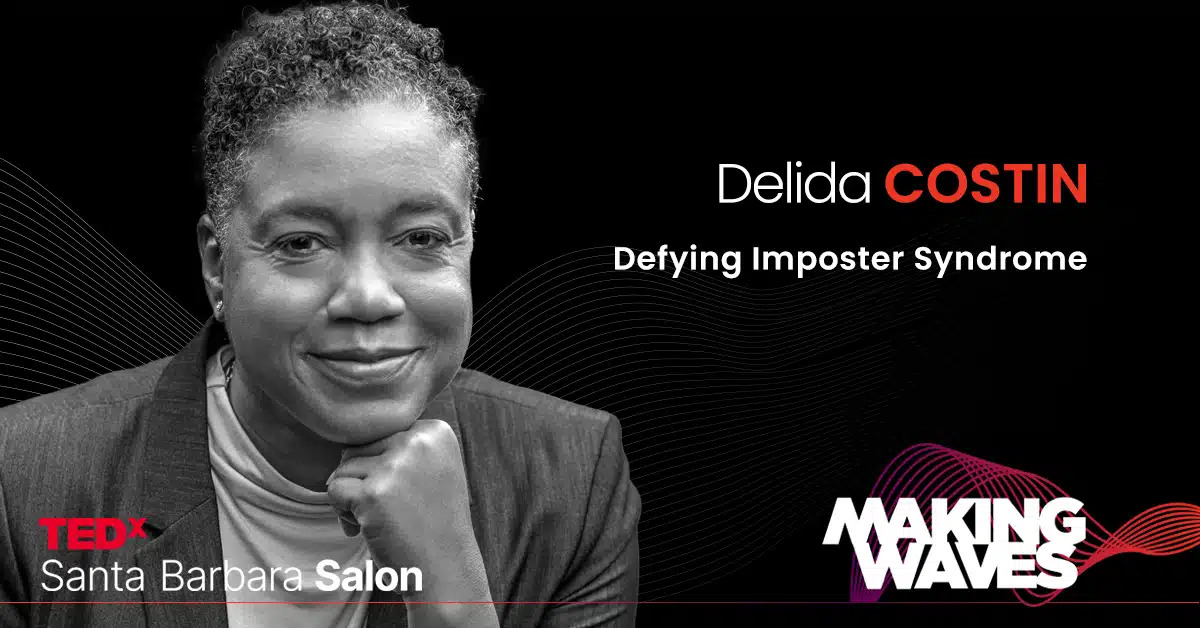
    I was so inspired by Delida Costin during her August TedX Santa Barbara session, “Defying Imposter Syndrome.” She said, among many amazing things: “You have to run to the hard stuff because that’s where we get better.” Building on that thought, the team at Revealing Genius can vouch that executive personal branding helps leaders be effective when they run to the hard stuff.

    Something that fits on the “hard stuff” list for most leaders is imposter syndrome, the subject of Costin’s recent talk. Having clarity about their personal brand has helped many leaders manage imposter syndrome for themselves and others—including the broader aspects of imposter syndrome that Costin adds to the conversation.

    Let’s take a moment to talk about what imposter syndrome has often been thought of—and Costin’s new ideas about it. Then let’s explore how executive personal branding can help leaders when they themselves feel like imposters—or when they see others in their organizations feeling that way.

    Traditional Imposter Syndrome and a Broader View

    In the business world, imposter syndrome has been defined as feeling that you’re a fraud in the workplace, that you’re not truly good at what you do, that you don’t belong. While this internal perception can be real for some people, Costin points out that others don’t experience imposter syndrome internally. Instead, these other professionals are confident they can do their jobs and even successfully grow into increasingly responsible roles. These confident leaders and aspiring leaders feel like imposters because of external, systemic factors—such as being of a generation, gender or race for which our society or an individual organization is not ideally built, Costin explained.

    In her TedX, Costin, an attorney, illustrated this point with a story from her own experience, which includes facilitating two initial public offerings, including Pandora. This story comes from when Costin was a young associate in a law firm.

    A male partner invited Costin and two other then-associates, both male, to play golf. When Costin arrived, she was told that women weren’t allowed on the green before noon. The partner and the other two associates played golf, leaving Costin to “nurse a Coke” by the pool with the other women and the children. Costin said this was her introduction to being made to feel like an imposter from outside. The system in place didn’t pave the way for her to grow her career while being herself. Instead, it “othered” her, making her feel like an outsider, even an imposter.

    Costin explained in her talk that her career has helped her realize the benefit of being a “#defiant imposter” when facing something systemic that makes her feel like something less than she is. Given the golf course situation again today, she said, she might state, “I guess nobody is going to play golf today.” This is an example of what a defiant imposter would say to move the needle toward a more equitable situation for herself and those coming after her.

    Costin explained in her talk that as professionals progress in their careers, they have more responsibility to speak up. “As we become more senior, we have the ability to clear those red lights, not just the ones that are internally imposed but also those that are externally imposed,” she said. 

    The partner that took the group to the golf course that day “didn’t mean to make me feel uncomfortable,” Costin said, but he hadn’t thought things through. According to Costin, the question leaders need to ask and answer is, “How do we help people in this moment when the change (that we need and that would help them) has not yet arrived?” 

    Executive Personal Branding as a Tool for Transforming Imposter Syndrome

    The time-proven Excavate–Tell–Affirm™ executive personal branding process from Revealing Genius is an important tool for overcoming both internal and external imposter syndrome. For more on how it helps with internal imposter syndrome, read this Revealing Genius blog. For more on how it helps overcome external imposter syndrome, read on.

    In the excavate part of the process, leaders do exercises that help them clarify who they are, what they stand for, and the big, positive change they’d like their leadership to facilitate in the world. In the affirm step, leaders steep in their brand until they believe in it with conviction. When we support leaders in their efforts to tell others about their brands, they become poised and ready to deliver on their visions. They also are much less vulnerable to feeling like they’re a fraud because they have such clarity about who they are, who they are here to serve and their unique reason to serve.

    Believing in their executive personal brands down to their bones also helps leaders we work with gain enough confidence to “defy” external, systemic pressures that can lead to imposter syndrome. In fact, with a fully excavated personal brand, leaders like you are primed to become “defiant imposters,” the kind of leaders who are working to improve and society.

    An Example of a ‘Defiant Imposter’

    Now an alum of the Brand Leadership Summit from Revealing Genius, Costin herself has been a defiant imposter, using her personal brand to pave the way for others. For example, the dress code for anyone ringing the bell on the New York Stock Exchange is to wear black, gray or blue. When Costin took Pandora public, earning the privilege to ring the bell, she wore white.

    “I wanted to be somebody that popped. I wanted the world to see it,” Costin said during the TedX event. “You do it for yourself, but you also do it to inspire and change (the world) for the people behind you.”

    Ready to Clarify Your Executive Personal Brand?

    If you think having full clarity about yourself as a leader could help you change the world for the better, you’re right! Ready to experience the powerful impact you can make when you facilitate meeting imposter syndrome with brand clarity? We’d be delighted to assist.

    First, download our free whitepaper about imposter syndrome. Then learn more through our free 10-minute webinar, Brand Leadership Summit or online course. We’re honored to work with boards and leadership teams as well as individual leaders on your transformation statement and your brand manifesto.

    Mary E. Maloney

    Mary E. Maloney, FACHE

    An executive advisor, educator, speaker, author and producer, Mary E. Maloney is the founder of Revealing Genius and the expert that accomplished leaders trust for positioning, messaging and brand strategy for themselves, their teams and their organizations. A former CEO and CMO, Maloney guides C-suite leaders, founders, physicians and board directors to powerfully and strategically message their expertise and “why” so they lead with conviction and achieve their most coveted goals.

  • My Guest Needs No Introduction, Yet She Has Imposter Syndrome

    My Guest Needs No Introduction, Yet She Has Imposter Syndrome

    The Excavate–Tell–Affirm™ process from Revealing Genius points to ways to overcome this challenge that even pop music prodigy Billie Eilish experiences.

    If someone as accomplished as Billie Eilish experiences imposter syndrome, it’s no surprise that many of us do, too. Fortunately, the Excavate–Tell–Affirm™ process from Revealing Genius can help leaders overcome this very real challenge.

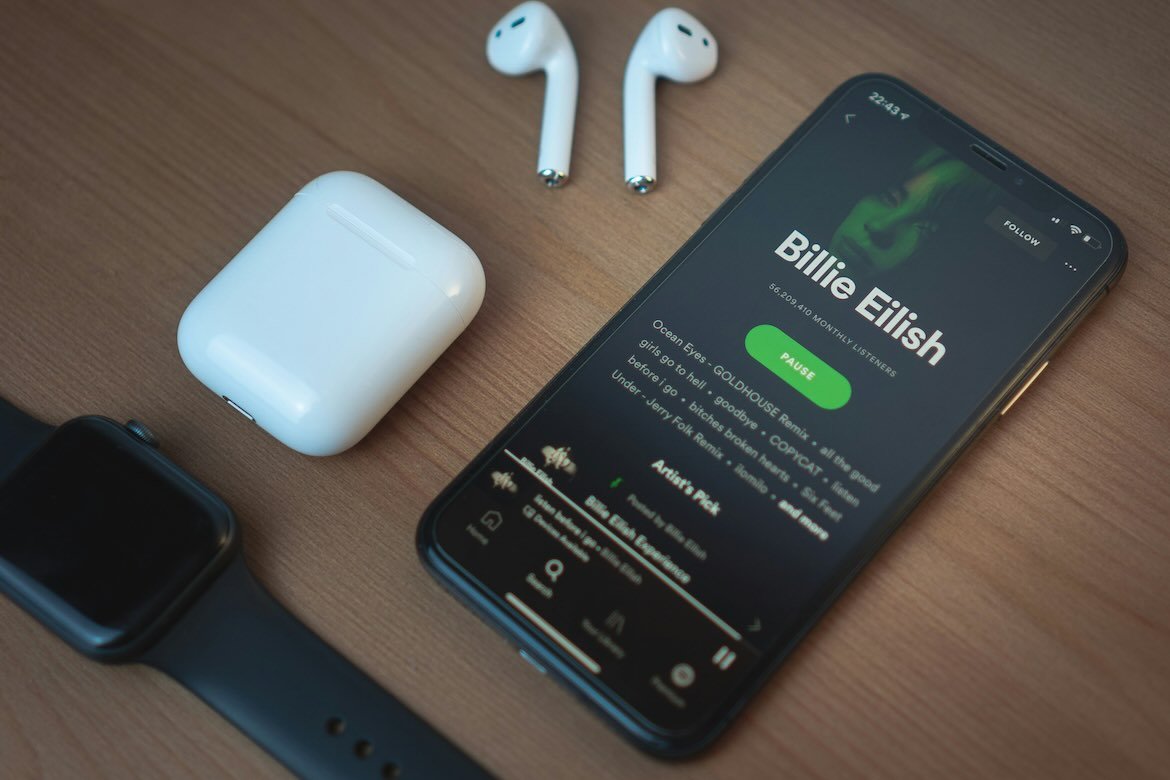
    During the fourth season of his “My Next Guest Needs No Introduction” Netflix series, David Letterman interviewed Eilish, an American singer-songwriter who has received many awards and nominations. I’ll call out just a couple of them:

    In 2019, Eilish’s “don’t smile at me” crossed the mind-boggling 1 billion Spotify downloads mark. Putting that figure into context, Letterman pointed out during the Netflix interview that there were only about 7 billion people on the planet when the episode was taped in 2022. (Today that figure is closer to 8 billion). 

    In 2020, at age 18, Eilish became the youngest person to win a Grammy for album of the year. 

    And yet, despite these and many other amazing accomplishments, Elish told Letterman she sometimes felt like an imposter. 

    “I feel like I somehow managed to pretend that I was a celebrity for so long that I became one,” she said. 

    While “My Next Guest Needs No Introduction” didn’t get into what Eilish does to overcome her doubts, the time-proven Excavate–Tell–Affirm™ executive personal branding process from Revealing Genius connects leaders to many potential ways to get past this obstacle. In this blog, I’ll focus on three:

    1. Create a one-page brand manifesto. A brand manifesto succinctly summarizes your two-word purpose statement, your why and your (up to nine) hows. (Get our related white paper: Overcoming Imposter Syndrome.)
    2. Prepare a “capsule messaging collection,” a phrase coined by my colleague and collaborator @ColleenScollans, from Clarke & Esposito. This will help you answer with confidence and conviction—in any situation—the age-old question, “So, what do you do?” (Get our related white paper: Personal Introductions Can Make or Break a Brand.)
    3. Sponsor other leaders. Once you get established in your career, people watch you closely and ask, “What does this leader do with their brand?” One of the best things you can do to polish your brand is “send the elevator back down” to help someone else rise—that is, sponsor a protégé. (Get our related white paper: The Key to Elevating Your Executive Personal Brand? Sponsor Someone Else’s.)

    Let’s talk a bit more about each of these.

    Brand Manifesto

    A brand manifesto describes your purpose in two impactful words, your why and your hows (up to nine of them). In other words, developing your brand manifesto excavates and articulates the unifying and deeply-held forces that define your convictions and, therefore, your personal brand. 

    The end product is a single page of clarity about why people should care about your unique genius. 

    Importantly, you can create a brand manifesto for yourself and, CEOs and boards, for your organization; there is incredible power when these align. (Read this blog for more on this idea!)

    Our white paper, Overcoming Imposter Syndrome, not only describes the process of declaring your brand as a way to deliver on your authentic genius, but also tells the success stories of Revealing Genius clients who have used their brands to help them overcome feeling like an imposter.

    Capsule Messaging Collection

    How many times in your career have you been called upon to introduce yourself to another person or a group? Probably many times.

    Some people feel like such imposters that it’s difficult for them to answer at all. 

    Others answer with their title or a one-size-fits-all elevator pitch—or by pausing to think about their audience before speaking.

    Our experience at Revealing Genius is that you can answer better if you have developed a capsule messaging collection. It’s a grid that helps you think about all your potential audiences—both personal and professional— and customize your brand messaging for each.

    Get more details and thought starters to get you rolling from our short but impactful white paper about personal introductions. Then the next time someone asks you about what you do, you needn’t feel like an imposter. Instead,  you can answer with conviction!

    Sponsorship

    Do you believe in your brand enough to stand up to help someone else build theirs? If so, it’s important to note the key differences between coaching, mentoring and sponsoring.

    A coach helps to augment existing skills.

    A mentor advises and offers guidance.

    A sponsor advocates.

    Beyond sponsorship’s inherent benefits and the personal satisfaction we fervently believe it offers, sponsoring a protege will likely help you rise above the noise and elevate your personal brand. People will believe in your brand because you use it to take positive action for others. Sponsoring a protege also can help you build a personal brand legacy.

    Our whitepaper, The Key to Elevating Your Executive Personal Brand? Sponsor Someone Else’s,  takes these ideas even further.

    Overcoming Imposter Syndrome

    Are you ready to take the next step to deliver authentically on your brand? 

    Be sure to download the free white papers mentioned in this blog; they are our gifts to you. You can also learn more by accessing our free 10-minute webinar, attending our 7-day Brand Leadership Summit or enrolling in our online course. We’re honored to work with boards and leadership teams as well as individual leaders on their transformation statement and brand manifesto.

    Mary E. Maloney

    Mary E. Maloney, FACHE

    An executive advisor, educator, speaker, author and producer, Mary E. Maloney is the founder of Revealing Genius and the expert that accomplished leaders trust for positioning, messaging and brand strategy for themselves, their teams and their organizations. A former CEO and CMO, Maloney guides C-suite leaders, founders, physicians and board directors to powerfully and strategically message their expertise and “why” so they lead with conviction and achieve their most coveted goals.