Tag: #brandonpurpose

  • I’m Goin’ to Dollywood! Personal Branding Lessons from an Icon

    I’m Goin’ to Dollywood! Personal Branding Lessons from an Icon

    The Dolly Parton example: Stay true to your roots, even as you reinvent yourself and your brand.

    By Mary E. Maloney

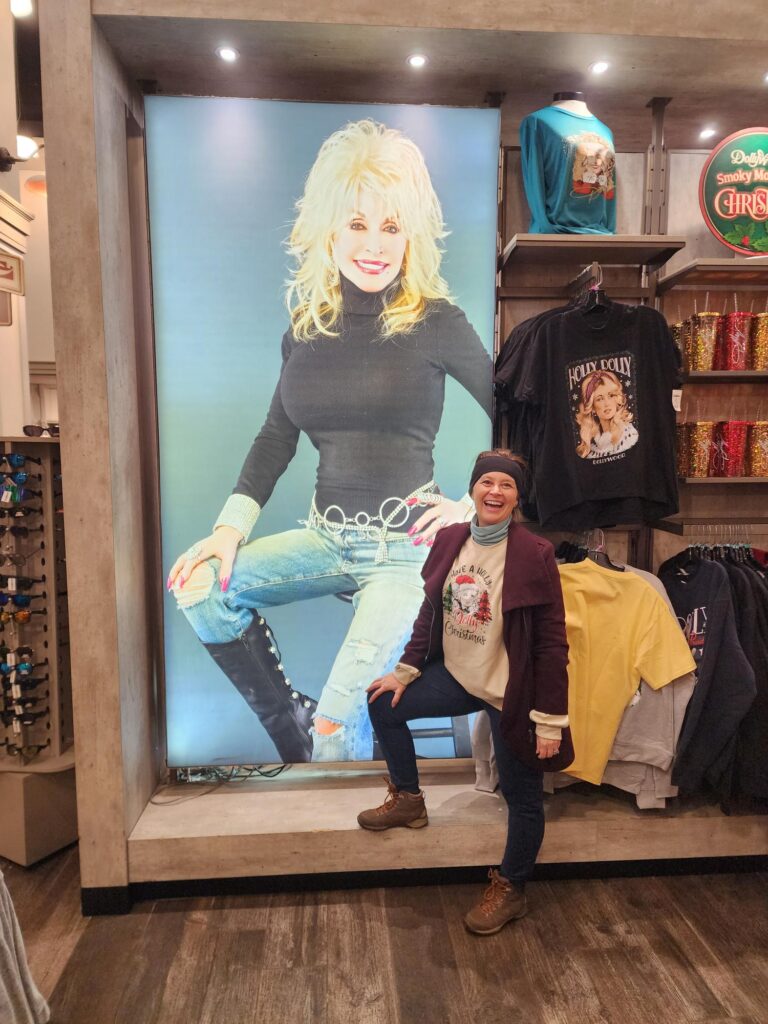
    My husband and I went to Dollywood in December. And while I loved the theme park and hiking in the nearby Tennessee hills, I was completely awed by the idea that the park is just one example of the amazing personal brand Dolly Parton has built. Let’s talk about how Dolly has nurtured and reinvented her brand and how you might be able to translate elements of her success into your own.
    During my December trip to Dollywood, I hiked the beautiful hills of Tennessee. I can see why Dolly loves her state so much!

    How She Launched Her Brand: With Excellence

    Dolly Parton came to the fore when she started topping the country music charts in the late 1960s. In other words, at the base of her brand is her distinctive singing voice and her commitment to music excellence.

    Parton has received numerous accolades, including 11 Grammy Awards from 50 nominations. She has won 10 Country Music Association Awards, including Entertainer of the Year, one of only seven female artists to achieve this distinction.

    Her music was a stepping stone to fame on TV and the big screen from The Porter Wagoner Show to 9 to 5 (1980), Steel Magnolias (1989) and others.

    And she continues to write and record music. Her latest, “If You Hadn’t Been There,” is a tribute to her husband of 58 years, Carl Dean, who passed away on March 3 at age 82. (Dolly herself is 79.)

    Lesson 1 from Dolly’s brand: Be exceptional at what you do.

    How She Maintains and Reinvents Her Brand: With Consistency

    Dolly has effectively built her brand up from the foundation of her music. In addition to the Dollywood theme park I visited (Dolly kicked off the park’s 40th anniversary season last month), she also co-owns the Dolly Parton’s Stampede dinner attraction chain.

    She has written multiple books, including Coat of Many Colors, 2016, a children’s picture book based on the lyrics of Dolly’s song with the same title; Good Lookin’ Cookin’: A Year of Meals – A Lifetime of Family, Friends, and Food, 2024, written with her sister; and more than one memoir (Dolly: My Life and Other Unfinished Business, 1994) and (Behind the Scenes: My Life in Rhinestones, 2023).

    She has her dog products line, Doggy Parton, offering apparel, accessories, toys, and more with “Dolly” flair. She has her own line of bakery products with Conagra’s Duncan Hines. And the new musical, Hello, I’m Dolly!, based on Dolly’s life and music, is slated to open in 2026.

    With so many successful brand reinventions and an estimated brand and net worth of $650 million, Dolly is clearly a prolific creator and an impressive businesswoman. But it’s not just the volume of what she has done and her financial success that stand out. It’s also the consistency with which she does everything that matters.

    Dolly is inspired by butterflies because they are gentle, beautiful and free-spirited. She uses them often in her branding.

    For example, butterflies abound in Dolly’s brand presentations. The logo for Dollywood turns the “w” into a butterfly. The Stampede dinner attraction opened the 2025 season with a new butterflies and horses segment.

    Why butterflies?

    “When I was growing up, I was always fascinated by butterflies,” she says on her website. “They are such gentle, beautiful and free-spirited creatures, and I’ve always related to them with my own personality and how I live my life. They’ve become my little symbol, and I like to include them wherever I can.”

    Dolly is also very consistent about who she is in all aspects of her career. She is the glamorous one, in sequins, with a very kind heart. She is known for having plastic surgery to look the way she wants to look. (“I’m so outgoing inside in my personality, that I need the way I look to match all of that,” she says.) She is the hometown Southern girl who has experienced poverty but still finds life nourishing and has great meals with her family. She also delights in partnering with other musicians but insists they don’t use cuss words in the final recording.

    Through and through, she’s Dolly.

    Lesson 2 from Dolly’s brand: Maintain unwavering consistency.

    How She Shows What She Stands For: With On-Brand Causes

    One of the key questions we at Revealing Genius help our executive personal branding clients answer is: What do you stand for? Another way to ask this same question is: What is the big relevant change in the world that you are uniquely poised to make?

    You won’t be surprised when I tell you that Dolly Parton answers this question in ways that speak to her roots, growing up poor in Tennessee, loving music and her family—and helping pave the way for the next generation to dream big.

    A key cause of Dolly’s is helping children learn to read because she believes it will help them live more fulfilling lives. Inspired by her father’s inability to read or write, Dolly’s Imagination Library is dedicated to inspiring a love of reading by giving books free of charge to children from birth to age five. Imagination Library works through local community partners in the United States, Canada, United Kingdom, Australia, and Republic of Ireland.

    “When I was growing up in the hills of East Tennessee, I knew my dreams would come true,” she says. “I know there are children in your community with their own dreams. They dream of becoming a doctor or an inventor or a minister. Who knows, maybe there is a little girl whose dream is to be a writer and singer. The seeds of these dreams are often found in books, and the seeds you help plant in your community can grow across the world.”

    During the pandemic, Dolly gave $1 million to the Vanderbilt Institute for Infection Immunology and Inflammation in Nashville. The gift ultimately helped fund research for Moderna’s highly effective COVID-19 vaccine, also known as the “Dolly Vaxx.” When she got vaccinated, Dolly updated the lyrics of her famous song, “Jolene,” to “vaccine” to encourage others to get their dose.

    “From singing barefoot on the front porch of her Tennessee mountain home to commanding the stage in six-inch heels, Dolly Parton is a larger-than-life living legend with a heart as big as her dreams,” her website proclaims. And her philanthropy accurately reflects this brand.

    Lesson 3 from Dolly’s brand: Boldly stand up for what matters to you.

    Put These Three Lessons From Dolly Into Action

    Let’s recap. In this article, we’ve described three key takeaways from the iconic Dolly Parton brand that you can use to help you build your own executive personal brand:

    1. Be exceptional at what you do.
    2. Maintain unwavering consistency.
    3. Boldly stand up for what matters to you.

    The good news is you don’t have to translate these ideas into your own brand on your own. We’re happy to help. Check out our signature Brand Declaration offering or register for our next 7-Day Summit or Mastermind Sphere of Influence. It will be our honor to work with you.

    Mary E. Maloney

    Mary E. Maloney, FACHE

    An executive advisor, educator, speaker, author and producer, Mary E. Maloney is the founder of Revealing Genius and the expert that accomplished leaders trust for positioning, messaging and brand strategy for themselves, their teams and their organizations. A former CEO and CMO, Maloney guides C-suite leaders, founders, physicians and board directors to powerfully and strategically message their expertise and “why” so they lead with conviction and achieve their most coveted goals.

  • Personal Branding Lessons Learned From Successful Super Bowl Ads This Year

    Personal Branding Lessons Learned From Successful Super Bowl Ads This Year

    Three helpful ways to consider the impact of your executive personal brand

    By Mary E. Maloney

    My hometown of Philadelphia was agog with excitement when our Eagles flew to victory 40-22 at the 2025 Super Bowl. I was especially excited about the game because I love seeing an underdog triumph. There are also personal branding lessons that can be learned from the corporate brand ads each year during this big event. 2025 was no exception.

    This year’s campaigns included spots that expertly demonstrated what corporate brands stand for—the big, hairy, audacious goal they have for changing the world for the better, the “cause.”

    For example, biopharmaceutical giant Pfizer” took a stand with this bold statement, “Pfizer is fighting for 8 cancer breakthroughs by 2030”  in its “knock out cancer” ad and leveraged signature storytelling in its area of specialty (helping people beat disease) Check it out! (see :56 second mark)

    We can take a page from this corporate playbook. When an individual leader effectively tells their unique brand stories—and articulates, with conviction, what they stand for, that has impact too.

    But how can we measure such impact? Let me tell you about a scoring methodology for corporate ads that translates logically to executive personal brands as well.

    The Advertiser Impact Score

    I recently attended a webinar presented by British market research and data analytics firm YouGov that described the use of an advertiser impact score to understand the effectiveness of this year’s Super Bowl ads.

    The AIS used in the webinar considered people’s awareness of the ad, “buzz” created by the ad, and changes in purchase consideration over a specific period. In this formulation, purchase consideration was weighted twice as heavily as the other two.

    Here are the survey questions YouGov used to explore each factor for the various Super Bowl ads:

    Ad awareness. Which of the following brands have you seen an advertisement for in the last two weeks?

    Buzz. Over the last two weeks, about which of the following brands have you heard something positive (whether in the news, through advertising, or talking to friends and family?) And in the same timeframe, about which of the following brands have you heard something negative? 

    Purchase consideration. When you are in the market next to purchase [product or service], from which of the following would you consider purchasing?

    In case you’re wondering, the five 2025 Superbowl ads YouGov’s AIS analysis rated highest were Poppi sparkling soda, booking.com, Dunkin’, T-Mobile, and Google Pixel.

    AIS for Executive Personal Branding

    These same factors are worth considering in the context of the success of your executive personal brand. Consider these questions to self-survey your brand impact: 

    Awareness. How aware are the people you serve or hope to serve of your personal brand? What have you done in the past that could raise awareness of your unique contributions? What could you do in the future to boost your brand?

    Buzz. Would you say people are talking about your brand this week, this month, or this year? Why or why not? What could you do to “give them something to talk about”?

    Engagement consideration. Why do people purchase your product or service? Why do employees trust you and follow your lead? How has that changed over time, and what will be the driver going forward? How can you influence the trajectory of these associations?

    Laying the Groundwork for Brand Success

    No matter how you measure your personal brand’s impact, it will be better positioned for success if you lay a strong foundation. Using the Excavate-Tell-Affirm™ process from Revealing Genius to make your Brand Declaration is a time-proven way to build a solid brand framework that is uniquely yours—and with our process, you’ll be able to tell others about it with an unprecedented sense of agency and confidence. It would be our honor to assist you.

    Mary E. Maloney

    Mary E. Maloney, FACHE

    An executive advisor, educator, speaker, author and producer, Mary E. Maloney is the founder of Revealing Genius and the expert that accomplished leaders trust for positioning, messaging and brand strategy for themselves, their teams and their organizations. A former CEO and CMO, Maloney guides C-suite leaders, founders, physicians and board directors to powerfully and strategically message their expertise and “why” so they lead with conviction and achieve their most coveted goals.

  • Brand Is the Profound Manifestation of the Human Spirit

    Brand Is the Profound Manifestation of the Human Spirit

    Here’s why you should clarify and declare your executive personal brand, plus three questions to get you started.

    By Mary E. Maloney

    The dictionary definition of the verb manifest is “to display or show (a quality or feeling) by one’s acts or appearance.” This idea applies perfectly to corporate and executive personal brands.

    To be sure, companies and leaders manifest their brands every day—some without realizing what they’re doing—with the way they do business, the decisions they make, the people they choose to hire and sell to, even the design aspects of their business materials, office spaces, and wardrobe.

    What the corporations and individuals with the strongest brands know is that by taking control of your brand, clarifying it, and declaring your commitment to it, you can dig into the incredible power of branding on purpose.

    Think about the words coined by Debbie Millman, designer and host of the Design Matters podcast:

    “Brand is more than a tool of capitalism. Brand is the profound manifestation of the human spirit.”

    In other words, brand is not just a tool for selling goods and services. It is also an expression of the deeper purpose of a company or person. A brand with clarity is powerful. A brand with clarity and purpose is world-changing.

    This article will explore the element of human spirit embodied by successful corporate and executive personal brands. Then it will consider your executive personal brand and how clarifying it through a Brand Declaration will benefit you, your network and, ultimately, the world.

    Learn From Iconic Corporate Brands

    Really successful corporate brands manifest themselves by having full clarity about what they stand for and what they do best in the world—and then acting on it.

    Let’s illustrate this idea with automotive brands you’ll know. Compare Volvo and BMW, for example.

    “‘Leadership in safety’ is one of Volvo’s three core values,” writes Peter Horvath in this article on Medium. “So it makes sense that in the late 50s, they developed the three-point safety belt—the kind you use in your car today.

    “What makes their brand value really manifest though,” Horvath adds, “is that they made the design freely available, to save lives not only in Volvo cars.”

    BMW’s brand is “the ultimate driving machine.” While this company has adopted three-point safety belts, their commitment to the people who buy their cars is that they will have an incredible experience out on the road.

    Volvo and BMW know what they stand for, and they have publicly declared it and acted on it. They manifest the human spirit, making the world a better place with their efforts.

    Learn From Iconic Personal Brands

    Similarly, leaders with full clarity about their executive personal brands are poised to not only achieve their individual goals but also to make expansive changes to the world around them.

    Think of Steve Jobs, the late co-founder and former CEO of Apple. His signature brand piece was wearing a simple turtleneck, which clearly reflected the sleek and highly functional design of Apple products he led his team to produce.

    Or Ariana Huffington. In her On My Mind newsletter on LinkedIn, Huffington offers her large audience “actionable advice on how to improve health, productivity, and resilience—plus some fun and inspiring extras.” One thing that Huffington has worked hard on is the endemic lack of sleep in our country.

    Huffington clearly epitomizes the larger impact of brand in keeping with another idea from Millman:

    Brand ”is our responsibility to design a culture that reflects and honors the kind of world we want to live in.”

    Branding Yourself—on Purpose

    Here’s a potentially concerning thought: You already have a brand. A way about you. When people go to your LinkedIn profile or hear you leading a meeting or watch you make decisions, they are seeing your brand in action.

    Are you presenting the brand you want? The one that truly represents you? The one that has the power of purpose behind it, pushing forward the unique transformation that only you can make?

    There is so much power, so much value in clarifying your brand rather than letting it be haphazard.

    “A strong, well-managed personal brand benefits you in several ways,” according to Jill Avery and Rachel Greenwald in this article in HBR. “It enhances your visibility, particularly among those who matter to you and to the things you hope to accomplish. It can also help you expand your network and attract new opportunities.”

    Avery and Greenwald go on to say, emphasis mine:

    “And on a deeper level, the process of building one can help you uncover, celebrate, and share the unique abilities you bring to the world.”

    In other words, a strong, well-managed personal brand helps you manifest your spirit.

    Let’s talk about how to clarify and declare your brand.

    The Brand Declaration and Why It Matters

    In this piece, I’ve referenced “declaring” a brand several times. What do I mean by that?

    A Brand Declaration is a one-page statement of your purpose, your why, and your hows:

    • Your purpose is why you exist to serve.
    • Your why is at what, you are the best in the world and the transformation you facilitate when tapped into your zone of genius/your strengths.
    • Your hows are your non-negotiables. In the absence of them, you cannot create an impact. Up to nine is the best practice.

    Having this on one page that you can keep nearby and reference daily is a fantastic outcome of the executive personal branding process. With it, you’ll be able to deliver on your brand purposefully. You’ll be able to choose your next step with more clarity. You’ll more effectively bring to the world the positive transformation that only you can.

    Creating Your Brand Declaration

    A great way to arrive at your powerful Brand Declaration is through our time-proven Excavate-Tell-Affirm™ executive personal branding process.

    First, you’ll excavate, or clarify, your brand. Next, you’ll learn how to tell your brand to others in a variety of settings and ways so your message is heard, trusted and understood. Finally, you’ll affirm your brand until you can talk about it with conviction. No doubt about it!

    Here are three questions to get you started. If you answer them and want more, please check out our signature Brand Declaration offering; join supportive, like-minded leaders also on their personal branding journeys in our weekly Mastermind Sphere of Influence; and sign up for our Excavate Your Brand Genius online course.

    Assuming the definition of brand is “the manifestation of the human spirit,” answer the following from a personal brand perspective:

    • Thinking big picture, what is the one challenge you must overcome with personal branding, that if resolved, will literally quantum leap you from success to significance?
    • What is the one thing that is holding you back from walking through any doorway (literally and figuratively) and sharing your point of view with clarity, confidence, and conviction?
    • If you could deliver just one TED Talk that goes viral, a swan song, what would the title be?

    Brand is our essence and it comes from within, whether it’s a company or an individual. It’s our divine duty to discern our unique competencies—and when we do, our brand comes alive. This sense of agency positions us to use our genius for the greater good and extend our impact on the world seven generations into the future.

    Mary E. Maloney

    Mary E. Maloney, FACHE

    An executive advisor, educator, speaker, author and producer, Mary E. Maloney is the founder of Revealing Genius and the expert that accomplished leaders trust for positioning, messaging and brand strategy for themselves, their teams and their organizations. A former CEO and CMO, Maloney guides C-suite leaders, founders, physicians and board directors to powerfully and strategically message their expertise and “why” so they lead with conviction and achieve their most coveted goals.

  • Transitioning? Rely on Your Transformation Statement

    Transitioning? Rely on Your Transformation Statement

    This concise expression of who you are, what you stand for and whom you most want to serve can inform your flight plan in times of change.

    As changes come into your life (and they will, over and over!), your transformation statement can give you a solid foundation from which to respond.

    In this blog, let’s look at what a transformation statement is and how it can help you soar through all sorts of transitions.

    What Is a Transformation Statement?

    Also known as a 30-second commercial, positioning statement or “elevator pitch,” a transformation statement is a single sentence that encapsulates what you do best in the world, whom you most want to serve and the transformation you are uniquely poised to help them make.

    When we at Revealing Genius work with our clients on their executive personal brands, we ask them to tell us their signature brand stories—the stories that are their alone, that their competitors can’t tell. We listen closely and help them fill in the following formula:

    I <action word> <my beloved avatar> how to <do what they want to accomplish> so that they can <have the result/transformation>.

    Think about a story from your life that resonates with you. This is a story that you probably tell over and over, in lots of contexts. Most likely this story gets at the heart of what you do and what you stand for. 

    Reflect on that story as you fill in the blanks in the formula:

    <Action word> What was the key thing that you did in this story? What is the one action word that best describes your action? (For Revealing Genius, the word is “guide.”)

    <Beloved avatar> Who did you help in the story? What are the details about that person that make them so important to you? Consider the person’s age, gender, profession, faith or hobby. Get into the details. (For Revealing Genius, this is “healthcare leaders.”)

    <What they want to accomplish> What was the goal or objective of the person you helped? (Revealing Genius clients want to purposely identify and articulate their brand value.)

    <The result/transformation> What significant change did you facilitate in this story? Be sure to consider the emotional impact of what you did. (The transformation that Revealing Genius is uniquely poised to create for our clients is positioning them as recognized experts in their fields so they can rapidly achieve the next milestones in their careers.)

    Putting all those pieces together, here’s the Revealing Genius transformation statement:

    We <guide> <healthcare leaders> to <purposely identify and articulate their brand value> so they <become recognized experts and rapidly achieve the next milestones in their careers>. 

    What’s yours?

    Transformation Statements in Times of Transition

    Throughout our lives and careers, our who, what, where and hows will change, possibly many times.

    What we do for a living could evolve as our careers progress and we develop as individuals; “where” we dwell could shift, whether the move is planned or unplanned; when comes and goes, i.e. when I get my Master’s degree or when the kids move out; the “hows” we operate with in the world also constantly change, i.e. doing the things that a rising star does versus leading as a CEO.

    But our “why” is constant, our True North guide, the thing that helps us navigate gracefully always.

    It does take a bit of work to clarify, believe in and learn to articulate our core purpose. But doing so is totally worth it. 

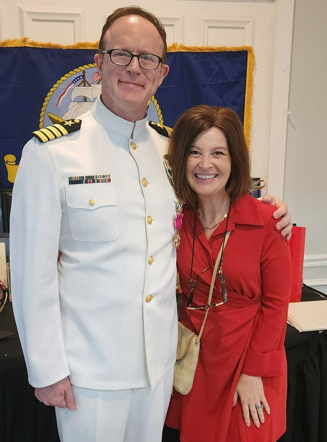
    As part of the celebration of July 4, 2024, Revealing Genius hosted a special Transformation Thursday workshop for graduates of our Brand Leadership Summit featuring Jean Paul “JP” Dube. I had the pleasure of attending JP’s retirement ceremony in May 2024 honoring his service as a captain in the United States Navy.

    Even though JP recently completed his tour of duty, he still has “a lot of gas left in the tank” as he re-enters civilian life. He sought (and got) feedback on his transformation statement. The workshop participants and I helped him craft a powerful one that will propel him forward in his next chapter.

    JP’s transformation statement before the workshop:

    I enable small to medium size businesses with security and risk management challenges to develop effective and cost saving security and risk management programs so their business can remain competitive in their field.

    After the workshop:

    I equip healthcare leaders to examine risks to their organization so they can develop hack-free countermeasures that ensure employees are safe and patients receive uninterrupted care.

    The Benefits of Being On-Purpose

    Companies have known the benefits of being on-purpose for a long time. Gartner says on-purpose brands outperform their competitors by 120%. Individuals can take a page from this playbook and thrive.

    Imagine the possibilities for yourself if you had a transformation statement and other executive personal brand collateral in hand. When you clarify your why, affirm it until you believe in it with conviction and learn to tell others about it (that’s our time-proven Excavate-Tell-Affirm™ process in action!), you’ll be making a positive impact and feeling fulfilled, no matter what, where you or how you are in the world! 

    Are you ready to take the next step? We’d be honored to assist you. Learn more through our free 10-minute webinar, Brand Leadership Summit or online course. We’re honored to work with boards and leadership teams as well as individual leaders on your transformation statement and your brand manifesto.

    Mary E. Maloney

    Mary E. Maloney, FACHE

    An executive advisor, educator, speaker, author and producer, Mary E. Maloney is the founder of Revealing Genius and the expert that accomplished leaders trust for positioning, messaging and brand strategy for themselves, their teams and their organizations. A former CEO and CMO, Maloney guides C-suite leaders, founders, physicians and board directors to powerfully and strategically message their expertise and “why” so they lead with conviction and achieve their most coveted goals.

  • The Aim of Your Transformation Statement? Flight!

    The Aim of Your Transformation Statement? Flight!

    This succinct expression of your executive personal brand will help you better understand who you most want to serve so your career or business can soar.

    Why does a caterpillar transform into a butterfly? So it can fly!

    So too with transformation statements … by creating and strategically deploying this key brand message, you’ll be able to effectively articulate to anyone, in any situation, the unique transformation only you can help them achieve. And then you and the people you help will both take wing!

    In this blog, I’ll talk about the time-proven Excavate-Tell-Affirm™ process from Revealing Genius and how it can help you develop your transformation statement. Then I’ll dive into the formula for a well-crafted transformation statement that can help you clarify who you most want to serve (your beloved avatar), so you can do The Great Work of Your Life.

    The Cocoon (Process) for Creating Your Transformation Statement 

    We’ve previously posted on the Revealing Genius blog about our process for developing a truly effective transformation statement, also known as an “elevator pitch,” a 30-second commercial or positioning sentence.

    During the excavate step of the time-proven Excavate-Tell-Affirm™ process, Revealing Genius listens actively to leaders as they tell their brand stories. Telling unique stories typically leads to an all-but-perfect transformation statement as this simple but effective formula gets filled in: 

    I <action word> <my beloved avatar> how to <do what they want to accomplish>
    so that they can <have the result/transformation>.

    As an example, here’s a transformation statement for Revealing Genius: 

    We <guide> <healthcare leaders> to <purposely identify and articulate their brand value>
    so they <become recognized experts and rapidly achieve the next milestones in their careers>. 

    Notice that while the formula is designed to express what you do, it’s really all about the people you want to serve, your “beloved avatar,” and the transformation you are best in the world at helping them achieve.

    This article from ellispond.com says it well: “It’s not just about understanding who they are, it’s about understanding who they want to become.

    “They have a problem, and you have the solution,” the article continues. “But nothing will sell that solution if you don’t understand the transformation that needs to take place within them.”

    Here at Revealing Genius, we ask clients, participants in our Brand Leadership Summit (the next one will take place Sept. 5-13) and people taking our on-demand online course to reflect on their beloved avatars. What is their day like? What are they thinking? What are they feeling? What are they struggling with? Why are they turning to you for help? 

    It’s important to get as much detail in your mind’s eye about your beloved avatar and include that detail in your transformation statement. Does this mean you can only serve people who meet all your criteria for a beloved avatar? Of course not. In all, your clarity about the transformation you were born to support will help you better articulate, with conviction, your unique genius.

    Your Transformation Statement Helps Your Career or Business ‘Take Off’

    I can honestly say that people come alive when they excavate their personal brands and learn to tell others about them through messaging tools like the transformation statement. When they also affirm their brands so they can feel them in their bones, the power of that conviction spills over into being on-brand every day.

    Gartner says on-purpose brands outperform their competitors by 120%. Individuals can take a page from this playbook and thrive.

    I’ve seen it happen many times.

    Here’s a shining example from my blog: How Kate Found Her Dream Job.

    I’ve also seen people who go through our Excavate-Tell-Affirm™ process get the promotion they seek, be selected for a coveted board seat, start a new business, grow an existing organization, do an outstanding update to their LinkedIn profile or CV, make a top-notch all-staff presentation … and so much more.

    Ready to excavate your genius and, in turn, transform the world? We’d love to help you, your career and your organization soar—in service to your beloved avatar.
    Learn more about executive personal branding, including transformation statement development, through our free 10-minute webinar, Brand Leadership Summit or online course. We’re honored to work with boards and leadership teams as well as individual leaders.

    Mary E. Maloney

    Mary E. Maloney, FACHE

    An executive advisor, educator, speaker, author and producer, Mary E. Maloney is the founder of Revealing Genius and the expert that accomplished leaders trust for positioning, messaging and brand strategy for themselves, their teams and their organizations. A former CEO and CMO, Maloney guides C-suite leaders, founders, physicians and board directors to powerfully and strategically message their expertise and “why” so they lead with conviction and achieve their most coveted goals.

  • Why You Need to Align Your Board (and C-Suite) With a Brand Declaration

    Why You Need to Align Your Board (and C-Suite) With a Brand Declaration

    Uniting your top leaders is fundamental to your organization’s success.

    What’s the one thing you want your audience to know about your organization? The one thing that, if you articulated it well, would align your board and thereby put you fully on track to deliver on your mission and vision? The answer is at the heart of your brand declaration, a statement of the aims of your company or non-profit.

    Take the case of The Atlas Enterprise, which publishes the resource lovingly known as “the Bible of neurosurgery.”

    When The Atlas Enterprise worked with Revealing Genius and strategy consultancy Clarke & Esposito to build its brand declaration, it created unprecedented alignment among its leadership team members—the board directors and its founder and public voice, Aaron Cohen-Gadol, M.D.

    Before creating the brand declaration, the non-profit’s leaders were struggling with how to talk meaningfully and compellingly about the organization’s portfolio of products together, then as stand-alones. Since developing the brand declaration, the team has been able to describe the non-profit’s offerings so their complexity is heard and understood. 

    In addition, the brand declaration development process helped Dr. Cohen recognize and acknowledge that his personal brand was just as important to organizational success as the overarching brand. He wrote a brand declaration for himself, too! (Read the case study about this initiative.)

    Board and leadership alignment are clearly key to organizational success. Let’s dive deeper into the ways it can help with high-level strategic work and day-to-day governance, key obstacles to achieving board alignment, and strategies for overcoming those obstacles, including the brand declaration.

    The Board Alignment Imperative

    At a high level, board alignment is fundamental to overall organizational health and success because it boosts decision-making, organizational culture, stakeholder confidence and the ability to adapt to changing circumstances. 

    The benefits of board alignment in day-to-day governance also are many. A board that’s aligned: 

    • Ensures the organization’s mission and strategic pillars are promulgated. When everyone on the board is on the same page, working collaboratively towards common objectives becomes easier, increasing the likelihood of success in achieving the organization’s mission.
    • Streamlines consensus in decision-making and actions. When board members share values, vision and goals, gaining consensus on critical decisions becomes easier. Alignment also enhances the effectiveness of the board’s actions.
    • Helps raise the floor on organizational culture. A cohesive board with shared values and a unified vision can set an example for the rest of the organization, demonstrating a culture of teamwork, trust and collaboration.
    • Inspires stakeholder confidence. When stakeholders see a united front, they are more likely to trust the organization’s leadership and support its initiatives.
    • Can better adapt the strategic plan to changing circumstances. Alignment is crucial during the strategic planning process. A unified board can more effectively develop and implement strategic plans that reflect its collective wisdom and vision. This enhances the organization’s ability to adapt to changing circumstances and achieve long-term success.
    • Provides common ground for conflict resolution. In any organization, conflicts can arise. Shared values and goals provide a foundation for finding common ground and working toward mutually beneficial solutions.
    • Increases board member commitment, engagement and retention. Members are more likely to be engaged and committed when they feel the board aligns with their interests and values. This, in turn, fosters a stable and supportive community. 
    • Increases the effectiveness and efficiency of governance processes. For example, when board members are aligned, onboarding and offboarding board members become seamless.

    10 Obstacles to Board Alignment

    An organization benefits when its board and leadership team are aligned, but getting there isn’t always easy. Here are some common obstacles that can get in the way of uniting your top leadership.

    1. Diverse backgrounds and perspectives. Board members often come from diverse professional backgrounds, disciplines and experiences. Balancing these diverse perspectives and aligning them toward a common vision can be challenging, especially if differences in values or priorities exist.
    2. Competing interests. Board members may have different interests or priorities based on their roles, affiliations or professional agendas. Conflicting priorities can make it difficult to achieve alignment on overarching organizational goals.
    3. Limited communication. Inadequate communication or information-sharing among board members can hinder alignment. If members aren’t well-informed about the organization’s mission, goals or ongoing activities, it can become difficult for them to align their efforts.
    4. Lack of trust. A lack of trust among board members can lead to skepticism, resistance to change and difficulties in reaching consensus on important decisions.
    5. Turnover and transitions. Board turnover or changes in officers can disrupt alignment efforts. New members or board chairs may bring different perspectives or priorities, and it takes time for them to integrate into the existing culture and align them with the organization’s objectives.
    6. Resource constraints. Limited financial or human resources can lead to competing demands and priorities. Board members may struggle to align with one another when faced with resource constraints or competing for the same limited resources.
    7. External pressures. Changes in regulations, economic conditions or shifts in the academic and professional landscape can create challenges for board alignment. Adapting to external pressures while maintaining alignment requires excellent strategic planning and effective communication.
    8. Lack of strategic planning. Without a clear and well-defined strategic plan, board members may lack a roadmap for alignment. A lack of strategic direction can result in disparate efforts and conflicting actions among members.
    9. Cultural differences. In organizations with international or diverse memberships, cultural differences can contribute to challenges in achieving alignment. Different cultural perspectives and expectations may need to be navigated and harmonized.
    10. Communication styles. Differences in communication styles among board members can lead to misunderstandings and misinterpretations, making it difficult to establish a shared understanding and alignment.

    Building a Board Declaration

    Overcoming the challenges above requires thoughtful and proactive efforts from board leaders, including employing effective communication strategies, fostering a culture of trust and collaboration, and investing in team-building activities. Regular assessments of board dynamics and a commitment to reaching a shared vision also are essential.

    At Revealing Genius, we recommend a brand declaration to support board and leadership alignment and effectiveness. Developing a declaration based on our time-proven Excavate–Tell–Affirm™ process helps excavate your company’s purpose, what it stands for and whom it most wants to serve. Once you’ve excavated your brand, you can affirm it until all your leaders feel it with conviction and more effectively tell all your stakeholders about it.

    Considering a brand declaration for your organization or yourself? We’re honored to work with boards and leadership teams and individual leaders. You can also learn more via our free 10-minute webinar, Brand Leadership Summit or online course.

    Mary E. Maloney

    Mary E. Maloney, FACHE

    An executive advisor, educator, speaker, author and producer, Mary E. Maloney is the founder of Revealing Genius and the expert that accomplished leaders trust for positioning, messaging and brand strategy for themselves, their teams and their organizations. A former CEO and CMO, Maloney guides C-suite leaders, founders, physicians and board directors to powerfully and strategically message their expertise and “why” so they lead with conviction and achieve their most coveted goals.

  • Ignite Your Next Success by Knowing Your Purpose

    Ignite Your Next Success by Knowing Your Purpose

    Manifest your greatest aspirations by uncovering your personal and organizational  ‘why.’

    It wasn’t until Guillermo didn’t get the board seat he was aiming for that he went on a journey to understand his purpose and become able to substantively communicate his “why.” Doing this using the time-proven Excavate–Tell–Affirm™ process from Revealing Genius changed the trajectory of his career. By developing his brand manifesto, Guillermo came alive.

    At the time Guillermo applied for that board seat, he was an accomplished executive, the recently retired president of a division of a large, well-known company. He had grown a brand to be a global household name. He was one of two on the shortlist for the role. So why didn’t he get it? The chair said the other, equally qualified candidate was better able to link her “why” to the firm’s reason for existing and how she could add value.

    The “purpose” Guillermo has now excavated? “Expanding possibilities.” The “why”? “To fuel empowerment for achieving breakthroughs that matter.”

    Wow.

    Today, Guillermo serves as an investor/advisor to two organizations and as a board director for two others. 

    Another example of the power of purpose: Peter had recently retired from being CFO of a $100M nonprofit. Going through the Excavate-Tell-Affirm™ process enabled him to discover what would bring him joy, fulfillment and income in his next act—teaching “finance language” to nonprofit CEOs. Peter called the one-minute brand affirmation that accompanied the final product “a love letter” to himself that only he would read.

    Inspired? Read on for more stories about people’s success after excavating their purpose and how you can make it happen in your world. The example in the last section of this blog describes the bonus power that can be achieved when an organization and its top executive go through this process together.

    Individuals’ Next Success After the Excavate-Tell-Affirm™ Process

    Taking what I learned about building brands as a CEO and CMO helped me create the Excavate-Tell-Affirm process, which has helped many C-suite executives articulate their brand

    value, including their extraordinary why. Here are six worthy examples: 

    1. A CEO emeritus of one of the largest payers in the nation repositioned himself to become a mentor and investor to innovative healthcare technology firms in the behavioral health space.
    2. A neurosurgeon who dedicated his life’s work documenting complex surgical procedures is finally becoming known for the innovative surgical training techniques he is using to train the next generation of brain surgeons.
    3. The president of one of the largest health systems in the nation, at the apogee of his career, strategically remessaged to attract a seven-figure salary in a role where he could impact millions of lives with one of the largest healthcare disruptors in the world.
    4. A physician executive took on her first CEO role for a telemedicine company and is making her mark specializing in #hyperlocal healthcare and revitalizing rural communities.
    5. A nurse who moved up the ranks to the C-suite at the same prestigious health system over 41 years pivoted into a private consulting practice and now has a waiting list of top-tier clients in need of her unique leadership development approach for large multi-location organizations in healthcare and beyond.
    6. A scientist from one of the largest pharmaceutical companies in the world rekindled her love of medicine and her work and found the courage to share her point of view, which has led to significant internal support and funding of a moonshot project she masterminded.

    Organizations Can Benefit, Too

    I hope you’ve enjoyed those stories of individuals’ success. Creating a brand manifesto can be particularly powerful when an organization does it alongside its top executive. Here’s a case in point.

    When The Atlas Enterprise worked with Revealing Genius and strategy consultancy Clarke & Esposito to build its brand manifesto, it created unprecedented alignment among its leadership team members—the board directors and its founder and public voice, Aaron Cohen-Gadol, M.D.

    Before creating the brand manifesto, the non-profit’s leaders were struggling with how to talk meaningfully and compellingly about the organization’s portfolio of products together, then as stand-alones. Since developing the brand manifesto, the team has been able to describe the non-profit’s offerings so their complexity is heard and understood. 

    In addition, the brand manifesto development process helped Dr. Cohen recognize and acknowledge that his personal brand (and manifesto) was just as important to organizational success as the overarching brand. He wrote a brand manifesto for himself, too! (Read the case study about this initiative.)

    Get Your Next Success by Boosting Your Brand

    My clients tell me they’ve been passed over for dream jobs and board seats; they lead tech companies that don’t get funded because their narrative is too complex to understand; they watch top talent leaving their company to go with a competitor because the competitor’s CEO is perceived to be more passionate about a cause. 

    Don’t let these things be true for you!

    Ignite your next success! Learn more about building a brand manifesto for yourself or your organization through Revealing Genius. We’re honored to work with boards and leadership teams as well as individual leaders. You can also learn more via our free 10-minute webinar, Brand Leadership Summit or online course. 

    Mary E. Maloney

    Mary E. Maloney, FACHE

    An executive advisor, educator, speaker, author and producer, Mary E. Maloney is the founder of Revealing Genius and the expert that accomplished leaders trust for positioning, messaging and brand strategy for themselves, their teams and their organizations. A former CEO and CMO, Maloney guides C-suite leaders, founders, physicians and board directors to powerfully and strategically message their expertise and “why” so they lead with conviction and achieve their most coveted goals.

  • In Transition? Your Superpower Can Help You Stand Tall

    In Transition? Your Superpower Can Help You Stand Tall

    When you excavate and affirm your executive personal brand, you can better navigate your next step.

    Some leaders think putting a career break on their resume or LinkedIn profile will damage their career prospects. I’d like to change the conversation/stigma around this notion through executive personal branding, including helping leaders identify their superpower.

    When leaders know who they are, what they stand for and what they’re best at in the world, they can stand tall and better deliver on their full potential in any situation–whether they’re learning something new in a career break, achieving their next career milestone or turning their big hairy audacious goal for the world into reality.

    Let’s start this article with an example of a person who owns her career breaks and pivots, then move into how to excavate your superpower to help you move forward through all parts of your life and finally, talk about how to affirm your superpower as part of your executive personal brand until you believe in it with conviction. “Excavate” and “affirm” are two of the three steps in the time-proven Excavate–Tell–Affirm™ process from Revealing Genius.

    Two Career Breaks, Seven Pivots

    Marine Hamou’s superpower lies in connecting the dots between exceptional people, ambitious ideas and business growth to help subject matter experts and startups win in the long run. She’ll be our guest in an upcoming edition of The Great Work of Your Life™ interview series. Notably, Hamou lists not one but two career breaks on her LinkedIn profile. And she has pivoted seven times during her career.

    During one of the breaks, Hamou immersed herself in learning Mandarin, attending classes at TCA Taipei School for three months. She also volunteered to teach English and computer skills for nine months in Southeast Asia.

    Hamou may see breaks as being full of possibilities in part because she is a “third culture kid,” a child who grew up in a different culture from her parents. 

    “Being in transition is not a disadvantage, it’s of great value,” she told me in a recent conversation. “It’s an opportunity to ask ourselves the hard questions.”

    A hard question Hamou has asked herself is “How much (income) is enough?” To be without a steady paycheck or a salary as she has at some points in her career can be scary, she noted. However, she thinks that if a leader honestly answers big questions like the one about income, the transition will always yield growth.

    According to Hamou, it’s also important to shift transition conversations from failure to growth: “Instead of asking, ‘What if I fail?’ (or) ‘What if it doesn’t work?’, … ask, ‘What can I learn?’

    “Transition is a time to reconnect with our true selves to move forward,” she added. “Blank pages are terrifying but also full of possibilities.”

    At Revealing Genius, we often ask our clients the hard question, “How do you want to live?” and encourage them to build their executive personal brand with their answer in mind. 

    Excavate Your Superpower

    So how can you get to know your superpower so it can support your efforts to move forward in the world, whether that’s into your dream job, onto a board and through a time of transition?

    One way Revealing Genius helps leaders excavate their superpower is by using the time-proven Excavate–Tell–Affirm™ process and asking them, “Who is your hero?” A leader’s hero can be someone they know, a famous person or a fictional character. 

    You can do this exercise right now. Who is your hero?

    The important and possibly harder follow-up we at Revealing Genius ask is, “What is it about this person that makes them your hero?” The answer to these two questions speaks volumes about your brand—and likely points to your superpower.

    A writer I know would name “Grandma Margaret” as her hero. She’d say the reason her grandmother is her hero is that during good times as well as during times of transition, Grandma Margaret would apply calmness and wisdom to every situation she encountered. 

    Interestingly, that writer’s superpower is being able to kindly and calmly bring up for discussion the elephant in any room. This ability helped her to discern when it was time to leave her longtime job and establish her own consulting business—and to approach the transition with strategies that included writing a learning plan!

    Affirm Your Superpower

    Superpowers, like executive personal brands, are made more potent by the use of affirmations. That’s why Revealing Genius builds affirmations into our executive personal branding program.

    Think about the famous children’s story, “The Little Engine That Could.” In it, a long train must be pulled over a high mountain after the locomotive breaks down. A small engine agrees to give this big job a try.

    As the little engine works to pull the train over the mountain, it repeats the motto, “I-think-I-can, I-think-I-can.” Children and adults alike applaud when the little engine reaches its goal. And we can all see that the engine’s superpowers—its positive attitude and perseverance—and the spoken affirmations of those superpowers help it get to the other side.

    We also hear a lot about affirmations being used in sports. When coaches consistently tell good athletes they can row faster, lift heavier or jump further, they do. When football players, gymnasts or discus throwers use affirmations to instill in themselves the belief that their training will pay off, new world records get set.

    Executive Personal Branding and Superpowers in Transition Times

    I know from experience that times of transition can be times of significant learning and growth. That’s why I help my clients own their career shifts and breaks. I support them in being unapologetic during these times, deliberate about learning and even strategic about how to leverage their superpower. When they know what they’re best at in the world, they may even plan their next transition!

    Want to learn more about the Excavate–Tell–Affirm™ process and the many ways it can benefit you? Get instant access to the free Revealing Genius 10-minute webinar, sign up for our Brand Leadership Summit or take our online course. We are honored to work with leaders 1:1 or to help build a brand manifesto.

    Mary E. Maloney

    Mary E. Maloney, FACHE

    An executive advisor, educator, speaker, author and producer, Mary E. Maloney is the founder of Revealing Genius and the expert that accomplished leaders trust for positioning, messaging and brand strategy for themselves, their teams and their organizations. A former CEO and CMO, Maloney guides C-suite leaders, founders, physicians and board directors to powerfully and strategically message their expertise and “why” so they lead with conviction and achieve their most coveted goals.

  • Executive Personal Branding Builds Trust With Patients

    Executive Personal Branding Builds Trust With Patients

    Healthcare leaders, departments and organizations with on-purpose brands elevate patient care and propel themselves forward.

    This blog was originally published on swaay.health.

    Stacey Parkin is the chief patient experience officer of a large health system in Washington state. For her, improving the patient experience is personal—and a key element of her executive personal brand.

    “Having a child with a congenital heart defect and a mother with MS, I have navigated the healthcare system for years and wanted to make it better from the inside out,” she says in an article from Healthcare Innovation. “I am passionate about my work and making the experience more seamless and personal.”

    Having such clarity about their purpose and where it comes from helps healthcare marketers like Stacey build trust and credibility with patients.

    A healthcare marketer’s executive personal brand is in turn very important to medical facilities, as patients develop their impressions about a facility based on their interactions with the professionals they meet there.

    Executive personal branding—for individual marketers, whole departments and even boards and entire organizations—is a key tool for clarifying purpose, deepening conviction about that purpose and finding the best ways to express it. Done right, personal branding helps leaders, their organizations and ultimately, their patients.

    So, what exactly is executive personal branding? And how can you, your team and your organization use it to create a sustainable positive impact on individual, team and organizational performance that will lead to a top level of patient care?

    What Is Executive Personal Branding?

    Executive personal branding is about excavating what you stand for, who you would most like to serve and the transformation only you can create for them.

    It’s also about learning how to do a good job when you tell everyone you meet, in every setting, about your brand. Going through an executive branding process should help you ably and confidently answer the age-old business question, “So, what do you do?” It can also help you build an effective LinkedIn profile, prepare an on-brand all-staff presentation, write a CV that will help you get an interview and then give an amazing interview.

    Executive personal branding is also about affirming your brand. After you go through the process, you will be able to feel your brand in your bones and share it with conviction.

    The Power of Taking Personal Branding Past the Individual Level

    I have worked with many individual healthcare leaders to refine their executive personal brands. Knowing what you stand for, who you most want to serve and how to express those two things is powerful in helping individuals take their next right steps.

    And executive personal branding can be even more powerful and transformational when groups of leaders look at it together.

    In addition to working with individual leaders as a consultant, I’ve facilitated the development of marketing department brand manifestos as a chief marketing officer, ensuring that everyone in the department aligned on why the group existed and exactly how it was meant to serve the organization.

    As a CEO, I’ve worked with C-suite leadership teams on the brand message for the high-traffic “About” page of the organization’s website. In the CEO role, I’ve also worked with board members, enabling them to align with a brand manifesto for their organization, a document that goes beyond vision, mission and values to emotionally describe why and who their organization exists to serve.

    It is exciting for everyone involved when branding goes throughout the organization. The patient experience benefits when staff engagement goes up as the process progresses, and each team member becomes more effective in building trust and credibility with everyone they serve.

    Try This On: An Executive Personal Branding Exercise

    In my executive branding work with leaders at all levels, I present numerous small exercises as part of Excavate-Tell-Affirm™ process to help them clearly articulate their foundational purpose. Here’s a three-minute example you can try right now:

    Take out a piece of paper and make two columns on it, one with the header, “More of this, please,” the other with the header, “Less of this, please.” Spend two minutes completing your table. Think about all aspects of your life as you compile your answers: spirituality, health, style, relationships (family, friends, community), work, finances, recreation, social and learning. Write down what comes top of mind.

    Now, look at your list. What stands out to you? When you think of your executive personal branding, what gives you energy when you do it? What would you like to say yes to?

    There are many more strategies and tools for developing an executive personal brand for yourself, your department, your C-suite, your board and your whole organization. Learn more by taking our self-paced online course, and let us know how we can help.

    Mary E. Maloney

    Mary E. Maloney, FACHE

    An executive advisor, educator, speaker, author and producer, Mary E. Maloney is the founder of Revealing Genius and the expert that accomplished leaders trust for positioning, messaging and brand strategy for themselves, their teams and their organizations. A former CEO and CMO, Maloney guides C-suite leaders, founders, physicians and board directors to powerfully and strategically message their expertise and “why” so they lead with conviction and achieve their most coveted goals.

  • In Transition? Executive Personal Branding Helps Overcome Common Stigmas

    In Transition? Executive Personal Branding Helps Overcome Common Stigmas

    While some see being between roles as problematic, times of change are great opportunities for repositioning to do the great work of your life.

    Is it just me, or is there an unspoken stigma attached to being “in transition”? Could it be that “in transition” is linked to “not working a traditional job”? And that people in that situation are perceived as “less than” those working a traditional job—under the misguided logic that if a person were good, they’d be working? I’d like to change the conversation and the discourse on this subject via executive personal branding. 

    After almost two decades of working with executives in transition, I can tell you with conviction that being in transition does not signify a person has lesser worth. Instead, it reflects that the person is poised to pause and consider what’s next, to choose the right path for themselves, even to use executive personal branding to help discern what they do best in the world—and then go do the great work of their life.

    Let’s look at this stigma more deeply, talk about how executive personal branding can help mitigate it and, finally, discuss how leaders can support other leaders on this journey.

    The Stigma of Transition That’s Eased by Executive Personal Branding

    Leaders have been experiencing this stigma for a long time. While managing the “in-betweens” is not currently part of the larger business conversation, we specialize in it at Revealing Genius, so we think about it a lot.

    Leaders can be in transition for lots of good reasons (actual clients):

    • They’re retiring
    • They’re changing industries
    • They’re choosing to shift from being “busy” to being “engaged”
    • They’re writing a book
    • They’re ready to choose and pursue their life’s work
    • They were downsized even though they were the top producer
    • They’re positioning themselves to pursue their audacious vision for how the world could be a better place

    The fact that making such a significant change sometimes means not having a traditional job for a time may trigger the same stigma associated with unemployment. It’s well known that employers typically prefer candidates who currently have a job over those who don’t. And the stigma doesn’t stop there.

    According to a recent article in Time magazine about the stigma around not having a traditional job, even temporarily: “It’s not only employers who stigmatize.”

    “As the unemployed workers I’ve interviewed in the course of my research repeatedly emphasized,” writes Ofer Sharone, associate professor of sociology at the University of Massachusetts Amherst and author of The Stigma Trap: College-Educated, Experienced, and Long-Term Unemployed, “they experienced the unemployment stigma in every realm of their life, including when trying to network with former colleagues, or even when turning to their spouses or close friends for support. 

    “The way out of this trap is to confront it head-on and shine a bright light on the assumption that unemployment necessarily reflects anything about the unemployed person,” Sharone continues, when, in the case of economic and corporate shifts outside of anyone’s control, even top talent gets let go.

    Transition Better Using Executive Personal Branding

    In a recent New York Times article, Bruce Feiler offers five tools for making whatever life transition you’re experiencing go more efficiently. 

    The top tip offered by Feiler, a New York Times columnist and author of the bestseller Life Is in the Transitions: Mastering Change at Any Age? “Start with your transition superpower.”

    “Once you enter a transition, you often feel either chaotic and out of control or sluggish and stuck in place,” Feiler writes. “But my conversations suggest there is surprising order to these times.”

    “For starters, transitions have three phases. I call them ‘the long goodbye,’ in which you mourn the old you; ‘the messy middle,’ in which you shed habits and create new ones; and ‘the new beginning,’ in which you unveil your fresh self. These phases need not happen in order. Each person tends to gravitate to the phase they’re best at (their transition superpower).”

    Interestingly, the “excavate” step of the time-proven Excavate–Tell–Affirm™ executive personal branding process from Revealing Genius also leverages the idea of people having a superpower. Participate in the process and you’ll be asked, “At what are you best in the world?” The answer, you’ll learn, speaks volumes about your executive personal brand—and what you most want to do next.

    The “tell” step helps you effectively share your unique reason to serve with others, while the “affirm” step helps build so much conviction about your brand that you can feel it in your bones.

    “Transitions … are a time for us to think about who we want to become as part of our lives change,” says this article in Psychology Today. “Being in transition offers us an opportunity to reflect on our values (and the ways they may have changed), our goals and our identities in the different areas of our lives.” 

    Executive personal branding can help you do this effectively.

    Mitigating the Stigma of Transition

    In my long experience working with leaders in transition, “between times” are often important periods of learning and growth. It’s high time we remove the stigma about transitions and step up to help the people around us—and ourselves—with these key times in life.

    One way to do that is to proactively reach out to someone searching for their next job or reaching for a career milestone and offer to spend an hour assisting them in their efforts. During your meetup, perhaps you can help them more clearly articulate what they’re searching for, give them solid feedback on their resume or LinkedIn profile, connect them with a great lead or even make a key introduction. (Download our white paper about the value of personal introductions.)

    You might also refer them to us at Revealing Genius for help excavating what they stand for and who they most want to serve, plus support in believing in their brand and talking about it effectively with others. They (and you) can get instant access to the free Revealing Genius 10-minute webinar, sign up for our Excavate-Tell-Affirm™ Brand Leadership Summit or take our online course. We are honored to work with leaders 1:1 or to help build a brand manifesto.

    Mary E. Maloney

    Mary E. Maloney, FACHE

    An executive advisor, educator, speaker, author and producer, Mary E. Maloney is the founder of Revealing Genius and the expert that accomplished leaders trust for positioning, messaging and brand strategy for themselves, their teams and their organizations. A former CEO and CMO, Maloney guides C-suite leaders, founders, physicians and board directors to powerfully and strategically message their expertise and “why” so they lead with conviction and achieve their most coveted goals.