
Category: Excavate Personal Brand

Excavate to identify your executive personal brand. Learn how to make your personal brand stand out in a crowded digital world.

  • In Transition? Your Superpower Can Help You Stand Tall

    In Transition? Your Superpower Can Help You Stand Tall

    When you excavate and affirm your executive personal brand, you can better navigate your next step.

    Some leaders think putting a career break on their resume or LinkedIn profile will damage their career prospects. I’d like to change the conversation/stigma around this notion through executive personal branding, including helping leaders identify their superpower.

    When leaders know who they are, what they stand for and what they’re best at in the world, they can stand tall and better deliver on their full potential in any situation–whether they’re learning something new in a career break, achieving their next career milestone or turning their big hairy audacious goal for the world into reality.

    Let’s start this article with an example of a person who owns her career breaks and pivots, then move into how to excavate your superpower to help you move forward through all parts of your life and finally, talk about how to affirm your superpower as part of your executive personal brand until you believe in it with conviction. “Excavate” and “affirm” are two of the three steps in the time-proven Excavate–Tell–Affirm™ process from Revealing Genius.

    Two Career Breaks, Seven Pivots

    Marine Hamou’s superpower lies in connecting the dots between exceptional people, ambitious ideas and business growth to help subject matter experts and startups win in the long run. She’ll be our guest in an upcoming edition of The Great Work of Your Life™ interview series. Notably, Hamou lists not one but two career breaks on her LinkedIn profile. And she has pivoted seven times during her career.

    During one of the breaks, Hamou immersed herself in learning Mandarin, attending classes at TCA Taipei School for three months. She also volunteered to teach English and computer skills for nine months in Southeast Asia.

    Hamou may see breaks as being full of possibilities in part because she is a “third culture kid,” a child who grew up in a different culture from her parents. 

    “Being in transition is not a disadvantage, it’s of great value,” she told me in a recent conversation. “It’s an opportunity to ask ourselves the hard questions.”

    A hard question Hamou has asked herself is “How much (income) is enough?” To be without a steady paycheck or a salary as she has at some points in her career can be scary, she noted. However, she thinks that if a leader honestly answers big questions like the one about income, the transition will always yield growth.

    According to Hamou, it’s also important to shift transition conversations from failure to growth: “Instead of asking, ‘What if I fail?’ (or) ‘What if it doesn’t work?’, … ask, ‘What can I learn?’

    “Transition is a time to reconnect with our true selves to move forward,” she added. “Blank pages are terrifying but also full of possibilities.”

    At Revealing Genius, we often ask our clients the hard question, “How do you want to live?” and encourage them to build their executive personal brand with their answer in mind. 

    Excavate Your Superpower

    So how can you get to know your superpower so it can support your efforts to move forward in the world, whether that’s into your dream job, onto a board and through a time of transition?

    One way Revealing Genius helps leaders excavate their superpower is by using the time-proven Excavate–Tell–Affirm™ process and asking them, “Who is your hero?” A leader’s hero can be someone they know, a famous person or a fictional character. 

    You can do this exercise right now. Who is your hero?

    The important and possibly harder follow-up we at Revealing Genius ask is, “What is it about this person that makes them your hero?” The answer to these two questions speaks volumes about your brand—and likely points to your superpower.

    A writer I know would name “Grandma Margaret” as her hero. She’d say the reason her grandmother is her hero is that during good times as well as during times of transition, Grandma Margaret would apply calmness and wisdom to every situation she encountered. 

    Interestingly, that writer’s superpower is being able to kindly and calmly bring up for discussion the elephant in any room. This ability helped her to discern when it was time to leave her longtime job and establish her own consulting business—and to approach the transition with strategies that included writing a learning plan!

    Affirm Your Superpower

    Superpowers, like executive personal brands, are made more potent by the use of affirmations. That’s why Revealing Genius builds affirmations into our executive personal branding program.

    Think about the famous children’s story, “The Little Engine That Could.” In it, a long train must be pulled over a high mountain after the locomotive breaks down. A small engine agrees to give this big job a try.

    As the little engine works to pull the train over the mountain, it repeats the motto, “I-think-I-can, I-think-I-can.” Children and adults alike applaud when the little engine reaches its goal. And we can all see that the engine’s superpowers—its positive attitude and perseverance—and the spoken affirmations of those superpowers help it get to the other side.

    We also hear a lot about affirmations being used in sports. When coaches consistently tell good athletes they can row faster, lift heavier or jump further, they do. When football players, gymnasts or discus throwers use affirmations to instill in themselves the belief that their training will pay off, new world records get set.

    Executive Personal Branding and Superpowers in Transition Times

    I know from experience that times of transition can be times of significant learning and growth. That’s why I help my clients own their career shifts and breaks. I support them in being unapologetic during these times, deliberate about learning and even strategic about how to leverage their superpower. When they know what they’re best at in the world, they may even plan their next transition!

    Want to learn more about the Excavate–Tell–Affirm™ process and the many ways it can benefit you? Get instant access to the free Revealing Genius 10-minute webinar, sign up for our Brand Leadership Summit or take our online course. We are honored to work with leaders 1:1 or to help build a brand manifesto.
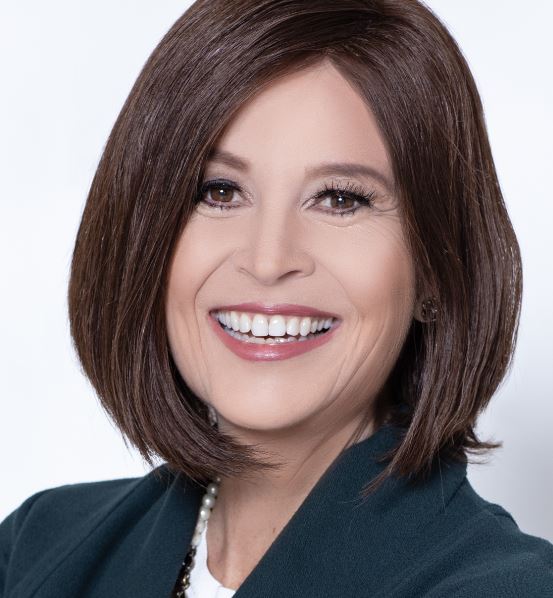

    Mary E. Maloney

    Mary E. Maloney, FACHE

    An executive advisor, educator, speaker, author and producer, Mary E. Maloney is the founder of Revealing Genius and the expert that accomplished leaders trust for positioning, messaging and brand strategy for themselves, their teams and their organizations. A former CEO and CMO, Maloney guides C-suite leaders, founders, physicians and board directors to powerfully and strategically message their expertise and “why” so they lead with conviction and achieve their most coveted goals.

  • Clarity About Your Superpower Can Put You Heads Above the Rest

    Clarity About Your Superpower Can Put You Heads Above the Rest

    Use assessments to discern what you are best at in the world—and make it easier to define and refine your executive personal brand.

    According to this article from Forbes, the four superpowers of top executives are natural curiosity, empathy, talent identification and strategic thinking. But if every top executive were wonderful at each of these, what would make any of them stand out? 

    Having a sharpened understanding of your dominant personality trait, communication preference or motivational driver—your superpower—can help you clarify your executive personal brand, lead better and more rapidly achieve your goals.

    Here are some thoughts on how to discover what you are best at in the world, why making that discovery at least annually is worth the effort and key next steps to take once you have made it.

    How to Discover Your Superpower

    Another article from Forbes suggests three questions for clarifying your superpower:

    • What unique contribution do I bring to projects, conversations and meetings?
    • What do people rely on me for?
    • What would be missing if I were to leave?

    The Forbes author makes a good point when she writes, “Keep in mind, superpowers don’t necessarily conform to roles. There’s no reason someone in the tax department can’t be creative or the team leader can’t be playful. And while it might be easy to think of some strengths as better than others, they’re all valuable to a team.”

    So don’t limit yourself to one idea about your superpower … it might even evolve with time. That’s why we at Revealing Genius encourage leaders to leverage science-based assessments to excavate their superpower and clarify their executive personal brands. Our white paper, “Know Thyself: Self-Assessment Tools Shown to Bolster Executive Personal Branding,” lists our favorite tools, which our clients have used with great success.

    In our white paper, we write, “As a rule of thumb, take at least one of these science- and evidence-based assessments each year (some are fee-based; some are free). After all, branding is an ongoing process, and you are, too!” 

    Answering the questions from Forbes and taking an assessment annually are a good start down the path toward excavating your unique superpower, which lies at the heart of your executive personal brand. We at Revealing Genius have many more ways to help you and other leaders uncover your unique gifts. This is what we call the “excavate” step, the first in our time-proven Excavate–Tell–Affirm™ process.

    Next Steps

    “This idea of naming your superpower is rich,” writes the Forbes author.

    Indeed. 

    When we look back on Revealing Genius client successes, the personal executive brands that took the time to address all of these questions are the ones that took off. These brands helped our clients achieve their next career milestones—whether that was getting a dream job, a promotion or a board seat; writing a book; delivering a TEDTalk, starting a business; securing start-up funding; developing a winning website, LinkedIn profile or CV; or some other goal.

    Our white paper about self-assessment describes some additional steps to take to put knowing about your superpower to best use. These include defining three to five key messages you want to consistently send about your brand and clarifying what it is you want to exude in every action you take. 

    If you’re getting the idea you’d like to get in touch with your superpower on your way to crafting an outstanding executive personal brand, you can get instant access to the free Revealing Genius 10-minute webinar, sign up for our Excavate-Tell-Affirm™ Brand Leadership Summit or take our online course. We are honored to work with leaders 1:1 or to help build a brand manifesto.

    Mary E. Maloney

    Mary E. Maloney, FACHE

    An executive advisor, educator, speaker, author and producer, Mary E. Maloney is the founder of Revealing Genius and the expert that accomplished leaders trust for positioning, messaging and brand strategy for themselves, their teams and their organizations. A former CEO and CMO, Maloney guides C-suite leaders, founders, physicians and board directors to powerfully and strategically message their expertise and “why” so they lead with conviction and achieve their most coveted goals.

  • Meet the Professor of On Purpose

    Meet the Professor of On Purpose

    Kevin McCarthy

    The tagline for Kevin’s website is “putting purpose to work,” as he believes that’s really the essence to life. His genius is that he has created an online “fast and forever meaningful” tool to help folks find their two- to three-word purpose. We at Revealing Genius are licensed to use the tool in our Summit and online course, with rave reviews. 

    The Hope

    “To eradicate meaninglessness from the planet,” says Kevin McCarthy, chief leadership officer, author, and speaker, On-Purpose Partners 

    Mary E. Maloney

    Mary E. Maloney, FACHE

    An executive advisor, educator, speaker, author and producer, Mary E. Maloney is the founder of Revealing Genius and the expert that accomplished leaders trust for positioning, messaging and brand strategy for themselves, their teams and their organizations. A former CEO and CMO, Maloney guides C-suite leaders, founders, physicians and board directors to powerfully and strategically message their expertise and “why” so they lead with conviction and achieve their most coveted goals.

  • Create the ‘Cure’ of Executive Personal Branding Today

    Create the ‘Cure’ of Executive Personal Branding Today

    Just as with an effective new medical treatment, you want to start using your brand and reaping the results as soon as possible.

    Because researchers and doctors use cures to help people live longer and better, the best time to find one is yesterday or today—and certainly as soon as possible. Similarly, the sooner healthcare leaders do executive personal branding, the sooner they—and the people they impact—can reap the benefits.

    Revealing Genius has a lot of experience with executive personal branding. Let’s talk about what exactly personal branding is, what benefits you and your team can receive from you clarifying your personal brand, and our time-proven, bespoke and fun Excavate–Tell–Affirm™ process that can help you create it.

    What Is Executive Personal Branding? 

    Executive personal branding is taking the time to excavate who you are, what you stand for and the thing you do best in the world. It also means learning how to tell others about your brand in ways that reach them on an emotional level. And it means spending enough time with your executive personal brand to affirmthat the brand you’ve developed truly distinguishes your unique genius—the singular thing you do best in the world—so perfectly that you can feel it in your bones. 

    An important corollary question is, “What isn’t executive personal branding? A simple way to answer this question is: Executive personal bragging is not humblebragging, which is defined as “making a seemingly modest or self-deprecating statement to draw attention to something of which you’re proud.”

    Effectively expressing your executive personal brand authentically and sincerely is a good strategy for doing the kind of artful self-promotion that will help you advance your career. Executive personal branding builds conviction and trust. It helps you lead authentically.

    Who Can Benefit From This Kind of Branding—and How?

    Executives can greatly benefit themselves—and everyone they interact with—by doing executive personal branding.

    The clarity you’ll gain about what you do best in the world can help you accelerate your career to more swiftly achieve your next promotion, gain a board seat or go after the big thing you alone can do to improve the world. 

    An important step done during the excavate step of the executive personal branding process is defining your keystone goal and objectives. These will set you apart and, like the keystone in an arch, be central to everything you do. An important next step is effectively telling others about your goal and objectives.

    Research published in MIS Quarterly found that C-level executives can advance their job prospects by promoting themselves on social media (in the right ways! Remember, no humblebragging.) 

    “Self-promotion worked in this class of people,” says Texas McCombs Professor of Information, Risk, and Operations Management Andrew Whinston, an author of the study. “We found that the idea of self-promotion is indeed a valid concept and that it’s worth some time and effort to promote yourself on Twitter.”

    More evidence of this: “Personal branding is the No. 1 strategy you should employ to build others’ trust in you and your business,” asserts this article from Entrepreneur magazine. Based on my experience working with hundreds of leaders, I could not agree more.

    Once you’re feeling your executive personal brand in your bones, everyone around you—bosses, direct reports, peers, other board members and others—will be drawn to your conviction and become more ready to lend significant support.

    The Excavate–Tell–Affirm™ Executive Personal Branding Process

    Good news! You don’t have to figure this out all on your own. The time-proven, bespoke and fun Excavate–Tell–Affirm™ process from Revealing Genius has already helped hundreds of leaders clarify—and deeply believe in—their executive personal brands, then learn to talk about them.

    Now is the time to learn more about executive personal branding and how it can help you and your team! Sign up for our complimentary Excavate Your Brand webinar or invest in our newly released online course or 7-Day Summit. If you need to accelerate the process, we provide 1:1 executive coaching options too. 

    Mary E. Maloney

    Mary E. Maloney, FACHE

    An executive advisor, educator, speaker, author and producer, Mary E. Maloney is the founder of Revealing Genius and the expert that accomplished leaders trust for positioning, messaging and brand strategy for themselves, their teams and their organizations. A former CEO and CMO, Maloney guides C-suite leaders, founders, physicians and board directors to powerfully and strategically message their expertise and “why” so they lead with conviction and achieve their most coveted goals.

  • ‘The Hero’ and Other Archetypes in Executive Personal Branding

    ‘The Hero’ and Other Archetypes in Executive Personal Branding

    Use your archetype to clarify your brand purpose and help you deliver on its promise.

    Corporations have found great branding success by leaning into their organizational archetypes. Similarly, you can use your personal archetype as a helpful tool while going through the Excavate–Tell–Affirm™ executive personal branding process from Revealing Genius.

    But what is an archetype exactly? How have corporations leveraged this concept? And why is it so important that healthcare executives like you know and build on yours as you do executive personal branding?

    Archetypes in Psychology

    The idea of archetype first came from psychiatrist and psychologist Carl Jung. His 12 “archetypes” or “personas” collectively represent human motivation.

    Perhaps the most well-known Jungian archetype is “the hero.” Jungian heroes generally start in ordinary circumstances, are “called to adventure” and, in the end, confront their darkest fear in a conflict that deeply transforms them.

    You might think that most healthcare leaders are hero types. After all, you all face big challenges regularly, and your work can be transformative and save lives. But I have seen a variety of archetypes represented among the healthcare leaders I have worked with doing executive personal branding. Besides the hero archetype, Jung identified the creator, the sage, the magician, the explorer, the outlaw, the lover, the jester, the everyman, the caregiver, the ruler and the innocent archetypes.

    Archetypes in Branding

    Think about some successful corporate brands and how they map to these archetypes. Outdoor clothing outfitter The North Face is a good example of the “explorer” archetype. The brand connects people with their sense of freedom and need for a spiritual journey.

    Put-it-together-yourself furniture retailer IKEA is a good example of an “everyman” archetype brand. The IKEA brand helps customers feel connected to other people and gives them a sense of belonging.

    Before we discuss the use of archetypes in executive personal branding, let’s consider one more corporate example (and you might like to check out the archetypal corporate brand chart in this article).


    Virgin Atlantic Airways’ embodiment of the outlaw archetype—which connects people to a feeling of liberation and leaving a mark—was bold when Richard Branson took control of the airline in 1984. Until then, airlines had branded themselves as archetypical explorers, lovers and caregivers, not outlaws. It probably helped that the airline’s new branding had a built-in boost in Branson himself. He had already mapped the outlaw archetype to his own persona and another highly successful company, Virgin Records.

    Archetypes in Executive Personal Branding

    By now you might be wondering how brand archetypes map to people and their careers. Interestingly, until the late 1990s, they didn’t. The idea of personal branding using archetypes started gaining traction in 1997, when a Fast Company article by Tom Peters asserted that individuals, like companies, ought to consider their brands. (Peters coined the phrase personal branding.)

    Of course, Branson—the outlaw—is a great example of how to effectively leverage an archetype in executive personal branding. Knowing which archetype most resonates for you can help you create your personal brand during the Excavate–Tell–Affirm™ executive personal branding process from Revealing Genius.

    Take a moment to get an idea about which archetype is a likely fit for you by taking this survey. Do the results resonate?

    Clarifying your archetype is an excellent way to clarify your executive personal brand, including your core competencies, the people you most want to serve (people I like to call your “beloved avatar”) and why you are the best person in the world to serve them.

    Today is a great day for healthcare leaders like you to consider, cultivate and protect your personal brands as you start private consulting practices, pursue professional goals and choose to go about life more purposefully. Archetype consideration is particularly valuable—arguably even essential—for executives and other professionals looking to stand out in a new niche and maintain relevance in today’s landscape.

    Learn more about how to use archetypes in the Excavate–Tell–Affirm™ executive personal branding process from Revealing Genius by signing up for our complimentary Excavate Your Brand webinar or our 7-Day Summit. We provide 1:1 executive coaching options too.

    Mary E. Maloney

    Mary E. Maloney, FACHE

    An executive advisor, educator, speaker, author and producer, Mary E. Maloney is the founder of Revealing Genius and the expert that accomplished leaders trust for positioning, messaging and brand strategy for themselves, their teams and their organizations. A former CEO and CMO, Maloney guides C-suite leaders, founders, physicians and board directors to powerfully and strategically message their expertise and “why” so they lead with conviction and achieve their most coveted goals.

  • Executive Personal Branding Readies Leaders for Rightful Rests

    Executive Personal Branding Readies Leaders for Rightful Rests

    Time-proven ETA process helps execs decide when to give projects their all and when to take some downtime.

    Most executives know that organizational strategy-setting is about discerning what a company is and isn’t going to do. What many leaders don’t realize is that doing executive personal branding is very similar. It helps them decide where they want to use their energy and where they want to conserve it. Executive personal branding, in other words, can help discern when to give something your all and when it’s a good time to take a rest.

    More of This, Please; Less of This, Please

    The ETA process from Revealing Genius has helped hundreds of leaders develop their executive personal brands using its three key steps: Excavate–Tell–Affirm™. During the excavate step, executives dig into who they are, what they are passionate about and what gives them energy.

    One excavation exercise is so powerful that I use it in the Revealing Genius 7-Day Summit. It’s called “more of this, please; less of this, please.”

    You can try it right now. Download this tool or take out a piece of paper and make two columns, one with the header, “More of this, please,” and the other with the header, “Less of this, please.” Spend two minutes completing your table.

    What would you like to have more of in your life? Less of? Think about all aspects of your life as you compile your answers: spirituality, health, style, relationships (family, friends, community), work, finances, recreation, social and learning. Write down what comes top of mind.

    Now, look at your list. What stands out to you? When you think of your executive personal branding, what gives you energy when you do it? What would you like to say yes to?

    Rightful Rests Supported by Executive Personal Branding

    I’ve previously written a blog about how to boost your energy so you can do even better work at your current endeavor or on developing your executive personal brand. However, knowing what you want to do more of and less of can also help you determine when you can (and probably should) rightfully rest.

    Maybe your work to excavate your personal brand clarifies that you are all about getting the best possible patient outcomes. So, when big conversations about balancing cost management with patient care come up, you’ll probably give 110% to the dialog.

    Or maybe your work to excavate your personal brand shows that there’s nobody better than you at negotiating materials and labor for building a new wing of the hospital. So, when that kind of planning is underway, you might choose to work around the clock. On the other hand, you might take more of a back seat when conversations about direct patient care come to the fore—recharging for your next big project.

    “What you choose to spend your time on speaks volumes about your personal brand.”

    Mary E. Maloney

    And your personal brand can help you identify good times for you to conserve energy so you’re raring to go when the work at hand is to create a transformation that you’re the best possible person to facilitate.

    Get Started With Executive Personal Branding

    If you’d like to dip your toe into learning more about developing your executive personal brand using the ETA process from Revealing Genius, check out our complimentary Excavate Your Brand webinar or our 7-Day Summit. If you’re ready to dive in deep or prefer private sessions to excavate your purpose, check out our 1:1 executive coaching options. We look forward to helping you manage your energy so you can achieve great things and, then, rightfully take a rest.

    Mary E. Maloney

    Mary E. Maloney, FACHE

    An executive advisor, educator, speaker, author and producer, Mary E. Maloney is the founder of Revealing Genius and the expert that accomplished leaders trust for positioning, messaging and brand strategy for themselves, their teams and their organizations. A former CEO and CMO, Maloney guides C-suite leaders, founders, physicians and board directors to powerfully and strategically message their expertise and “why” so they lead with conviction and achieve their most coveted goals.

  • The Power of Purpose in Executive Personal Branding

    The Power of Purpose in Executive Personal Branding

    Improve your life—and the world—by excavating your reason to serve and how you can successfully do it.

    One of the reasons I think that every leader—whether in healthcare or another industry—should do executive personal branding is because of the incredible benefits people get when they know their purpose.

    For example, people who know their purpose likely live longer. This article from Blue Zones describes the results of research led by Pulitzer prize-winning M.D. Robert N. Butler and funded by the National Institutes for Health. The 11-year study followed healthy people between the ages of 65 and 92 and looked at the correlation between having a sense of purpose and longevity. The results showed that those who expressed having clear goals or purpose lived longer and lived better than those who did not.

    Another Blue Zones article cites a 2019 study published by the Journal of the American Medical Association that linked a strong sense of purpose with a lower risk of all-cause mortality after age 50. The study asked about 7,000 adults over the age of 50 to rank their life purpose. Researchers assigned life-purpose scores based on participants’ responses and followed up with them five years later. The study found that participants who had the lowest life-purpose scores were twice as likely to have died than those with the highest scores. While this recent study was based on correlative data, it still adds to the evidence suggesting that having a strong sense of purpose can impact health and longevity for the long haul.

    I see two more benefits of knowing your purpose every day in my work helping leaders in healthcare develop their personal brands. One, executives who have done executive personal branding and know their purpose often rapidly achieve the next milestone in their careers—whether that’s their dream job, a promotion, giving an important presentation or getting a board seat. Two, leaders who have clarified their reason to serve are more likely to go on to deliver on their unique passion and talents in a big way—and that makes the world a better place.

    One of my favorite quotes applies well here. Author, philosopher, theologian and educator Howard Thurman once said: “Don’t ask what the world needs. Ask what makes you come alive and go do it. Because what the world needs is more people who have come alive.”

    Does it sound pretty good to live longer, more rapidly achieve your next career milestone and make the world a better place? Read on to learn how you can discover your unique purpose and position yourself to act on it fully.

    How to Know Your Personal Purpose

    The first Blue Zones article referenced in this post suggests that the first step to knowing your purpose is to “do an internal inventory.”

    “Think about your ideas, principles, standards and morals,” the article says. “Then think of your physical, emotional and mental talents, strengths and abilities.

    “Take out a blank sheet of paper and write or type for about 20 minutes,” it continues. “It might take a while, but eventually you’ll clear your mind and get to what you really want to contribute to the world. You’ll know you’re getting close when you have a strong emotional reaction to something you’ve written.

    “Then write your personal purpose statement to incorporate what you like to do and where you can share your talents.”

    That’s pretty good advice! At Revealing Genius, we have formalized similar ideas into our time-proven ETA™ process and helped hundreds of leaders go through the three key steps to clarifying, articulating and acting on their executive personal brands: excavate, tell and affirm.

    One of my favorite things to do during the ETA process is help executives develop what Blue Zones calls a “personal purpose statement” and I call a “transformation statement” or a “private brand manifesto” or, many times, a “purpose-why-how statement.” Whatever it’s called, this statement encapsulates the unwavering essence of your purpose.

    We develop it together—so you don’t have to do it alone. The statement is created based on an effective process that involves:

    1. Developing your two-word purpose statement. Check out OnPurpose.me for a preview.
    2. Telling your personal brand stories out loud. Many people are modest about the life stories that stand out for them—but it turns out there is an incredible amount of power behind them, especially when you actually tell them to someone. These stories typically lead us to an all-but-perfect transformation statement by filling in our simple but effective formula: To <contribution> so that <impact>.
    3. Writing down your “hows.” These are the things you do to show up as the best version of yourself. In the absence of these hows, it will be challenging, if not impossible, to accomplish your purpose.

    Putting Your Purpose Into Action Through Executive Personal Branding

    Developing your purpose is a key part of the excavate step of the ETA process from Revealing Genius. The other two steps—tell and affirm—will help you put your purpose into action. We’ll help you articulate your purpose in many different situations, whether that’s on your LinkedIn profile, on your CV, in the board room, in an all-staff presentation or—yes—on the proverbial elevator.

    If you’d like to dip your toe into learning more about developing your executive personal brand using the ETA process from Revealing Genius, check out our complimentary Excavate Your Brand webinar or our 7-Day Summit. If you’re ready to dive in deep or prefer private sessions to excavate your purpose, check out our 1:1 executive coaching options. We look forward to helping you discern what “makes you come alive” so you can “go do it.” After all, that’s what the world needs.

    Mary E. Maloney

    Mary E. Maloney, FACHE

    An executive advisor, educator, speaker, author and producer, Mary E. Maloney is the founder of Revealing Genius and the expert that accomplished leaders trust for positioning, messaging and brand strategy for themselves, their teams and their organizations. A former CEO and CMO, Maloney guides C-suite leaders, founders, physicians and board directors to powerfully and strategically message their expertise and “why” so they lead with conviction and achieve their most coveted goals.

  • Make a Seismic Shift in Your Thinking About Your Professional Brand

    Make a Seismic Shift in Your Thinking About Your Professional Brand

    Get ready to more rapidly achieve the next milestone in your career—and change the world.

    If you’re just starting your journey to make your professional brand come alive, you may be wondering if it’s really worth it.

    I mean, you’re already a successful leader in your field. How important could it really be to clarify your genius, what you stand for and at what you are best in the world?

    I can assure you from my experience in working with literally hundreds of leaders—including hospital executives, PhDs, physicians, bankers and global nonprofit presidents—that following the time-proven ETA™ process from Revealing Genius can help you make an enormously valuable shift in your thinking about your professional brand.

    And when you make this “seismic” shift in thinking about your professional brand, you’ll likely experience other shifts too. 

    Leaders I’ve worked with have gone from been fuzzy about their unique genius to crystal clarity about what they stand for. They’ve moved from feeling like they were “swimming in a sea of sameness” be being to effectively articulate what makes them stand out. And, importantly, they’ve gone from wondering about their contributions in their field and to the world to having confidence—even conviction—about their professional brand so they can “own it” and more rapidly achieve the next milestone in their careers.

    Let’s look at each of these in turn.

    Crystal Clarity About Your Professional Brand

    As you can see in this picture, when water is crystal clear, you can see into its depths. This is also true with your professional brand. When you take the time to excavate, tell and affirm your brand through the ETA™ process, you’ll be able to see deeply into who you are, what you stand for and at what you are best in the world.

    Better yet, working with Revealing Genius will help you learn how to effectively talk about your professional brand with others—in a multitude of settings, such as your LinkedIn profile, your website and the proverbial elevator. 

    And the benefits don’t stop there. You’ll also get assistance in developing conviction about your professional brand, so you will know in your bones that what you are pursuing is what you alone were born to do.

    This is incredibly powerful.

    No Longer ‘Swimming in a Sea of Sameness’

    Some leaders feel like there are lots of others who do what they do. And at a base level, that may be true. Hospital CEOs do face similar challenges, for example.

    But, as I always describe in our free 45-minute Excavate Your Brand webinars, no one can tell your very same brand stories. These stories are unique to you and your experience.

    You can get a taste of this right now. Try this. 

    First, write down a story that’s unique to you and your brand. Include the details. What color are things? What are the associated aromas? What are the feelings?

    Second, describe your ideal audience. What does that person value? What challenges do they face? What do they feel about how you can help them? Be specific.

    Rest assured that no one else who does what you do can tell this exact same story or would describe the same ideal audience. Your brand stories and your ideal audience are yours alone.

    In the next section, we’ll talk about unapologetically owning this genius of yours.

    Developing Conviction About Your Professional Brand

    Oprah says it was famous movie critic Gene Siskel who first asked her the question, “What do you know for sure?” While Siskel’s question stumped Oprah at first, it was ultimately so effective at drawing out what truly mattered to her that she has been inspired to ask it of many others in both her magazine and on her talk shows.

    “Sometimes people (like me that first time) are caught off guard,” Oprah writes in this blog. “But usually, … they rally with thoughtful and profound responses that reveal the essence of who they are.”

    So what do you know for sure?

    The ETA™ process will help you build conviction that what you are doing is what you are meant to do. People who are on purpose like this, who deeply understand their unique reason to serve, are not just able to answer the question of what they do, but the questions of who they are and how that drives what they do.

    And that helps them get results.

    What do you want to do? Get a promotion? Be asked to keynote at a conference in your field? Achieve a board seat? Help your “ideal avatar” with what only you can give them? Fill in the blank ______.

    This is the value of making a seismic shift in your thinking about your professional brand. Knowing yourself readies you to act on your genius, to better serve the world in the way that only you can.

    Even by reading this blog, you are taking an important step in that direction. We can’t wait to see where you arrive.

    Mary E. Maloney

    Mary E. Maloney, FACHE

    An executive advisor, educator, speaker, author and producer, Mary E. Maloney is the founder of Revealing Genius and the expert that accomplished leaders trust for positioning, messaging and brand strategy for themselves, their teams and their organizations. A former CEO and CMO, Maloney guides C-suite leaders, founders, physicians and board directors to powerfully and strategically message their expertise and “why” so they lead with conviction and achieve their most coveted goals.

  • Building Your Professional Brand Helps You Take Off Your Mask

    Building Your Professional Brand Helps You Take Off Your Mask

    Come more fully alive by discovering who you are and how you are uniquely poised to serve.

    Building your professional brand can help you spend more time without a mask.

    Thinking about the word mask literally, medical professionals have always chosen to wear one in situations when doing so would protect their health or the health of others. And during this pandemic, medical masks have been a useful tool to help protect public health.

    But thinking about the word mask figuratively, you may discover that you hide behind one at least some of the time. You may not put out to the world who you truly are and what you are uniquely poised to do. Building your professional brand can help you take off that figurative mask by giving you tools for better knowing yourself and what you are best at in the world. Building your professional brand also can help you believe in yourself and talk about yourself and your genius in ways that benefit your career—and the world.

    One of my favorite quotes applies well here. Author, philosopher, theologian and educator Howard Thurman once said: “Don’t ask what the world needs. Ask what makes you come alive and go do it. Because what the world needs is more people who have come alive.”

    Building your professional brand can not only help you take off your mask but come alive. The ETA™ process from Revealing Genius is a great pathway for this effort.

    Building Your Professional Brand Using the ETA™ Process

    So, what exactly is this ETA process?

    The ETA process is a custom, time-proven methodology designed to help leaders—especially healthcare leaders—achieve their goals. It leverages the 10,000-hour rule, an ideology made popular by Malcolm Gladwell’s best-selling book “Outliers.” The rule posits that if you dedicate 10,000 hours deliberately practicing an activity, you can master it.

    Importantly, some educators point out that the study on which this popular idea is based included an often-forgotten second key success factor: a masterful teacher. That’s where Revealing Genius comes in. If you’re ready to go about deliberately building your professional brand, Revealing Genius—and the people you’ll connect with as you go through the ETA process—will be the masterful teachers you need.

    Visionary thought leaders, including global C-level executives, physicians, public servants, military leaders, Ph.D.s and consultants have benefitted from the ETA process. Many have said it was the catalyst to transforming their respective brands and reaching the next milestone in their professional or volunteer careers.

    What are the foundations of this ETA process you ask? ETA stands for excavate, tell and affirm, the three steps in the process. We’ll dive into more deeply into each of these in the next section of this post.

    Building Your Professional Brand With Three Key Steps

    So, are you ready to take off your mask and show your true genius to the world? Here are three steps that can help you there, under the guidance of the professional branding experts at Revealing Genius.

    1. Excavate. This is the part of the process when we dig into who you are and what you stand for, confirm your “keystone” goal and objectives, work on your statement of your purpose and prepare to develop your succinct and powerful elevator pitch.
    2. Tell. In this step, we build your brand framework based on a 10-question brand story review. You can also take science and evidence-based assessments designed to help you understand your core competencies so you can better express what you are best at in the world and how you are uniquely poised to serve.
    3. Affirm. Finally, we use your brand framework to prioritize your brand asset needs. And you’ll actively affirm your brand in such a way that you will feel it in your bones.

    In 30 to 90 days from starting to work on building your professional brand using the ETA process, you can expect to excavate what’s behind any mask you might usually wear, learn how to professionally and compellingly tell others about your passion, and solidify, through affirmations, your conviction about how you can best serve. 

    Here are some resources for getting started: 

    We look forward to helping you discover, believe in and talk about the true genius that’s under your mask.

    Mary E. Maloney

    Mary E. Maloney, FACHE

    An executive advisor, educator, speaker, author and producer, Mary E. Maloney is the founder of Revealing Genius and the expert that accomplished leaders trust for positioning, messaging and brand strategy for themselves, their teams and their organizations. A former CEO and CMO, Maloney guides C-suite leaders, founders, physicians and board directors to powerfully and strategically message their expertise and “why” so they lead with conviction and achieve their most coveted goals.

  • Your Professional Brand Anchored by Assessments and Affirmations

    Your Professional Brand Anchored by Assessments and Affirmations

    Surveys and positive thinking can help you discern—and talk about—what makes you stand out.

    If you’re a health care leader, your professional brand in action likely has you analyzing reports about patient outcomes and inspiring staff members to give great care. These practices anchor you in being the best at what you do.

    Similarly, the time-proven ETA™ process from Revealing Genius is designed to help you and other health care leaders use science-based assessments and custom affirmations as anchors for discerning your uniqueness and learning to communicate your professional brands in a variety of situations that could help you achieve your next milestone. A cool thing about anchors is that they ground us when we need grounding. When it’s time to change, we can pull them up and re-examine them before putting them back in the water. In this blog, we’ll talk more about the executive brand anchors of assessments and affirmations.

    Assessments and Your Professional Brand

    On Day 5 of the Revealing Genius 7-Day Summit, participants learn about several evidence-based assessments that can help them understand key elements of their executive presence and personal branding.

    One of my favorite tools comes from the onpurpose.me website. It’s a two-minute survey that delivers a two-word “purpose statement.” For example, I’ve known leaders whose two-word purpose statements were “cultivating hope,” “inspiring joy” and “embracing grace.” Onpurpose.me goes on to help people reflect on their two-word statement with a series of follow-up exercises and reflections.

    I also like the Enneagram, which describes personality in terms of nine types, each driven by its own set of core emotions, fears and beliefs; the Core Value Index, which reveals your unchanging motivational drivers and how you are wired to contribute to the world around you; and the DISC tool, which helps you understand both your personality and your communication style. 

    During the Summit, I describe more assessments executives like you can use to help you anchor your professional brand. But you don’t have to wait until you attend the Summit to explore this. Pick one of the tools described here. Complete it this month and use the results to help you with affirmations, which we’ll discuss in the next section.

    Affirmations and Your Professional Brand

    During the 7-Day Summit, participants not only take the Onpurpose.me assessment, but also a first step into affirming who they are and what they are best at in the world. “Affirm” is the important third step of the ETA™ process for professional branding that we talked about in the introduction to this blog. During the affirmation step, you say out loud words that will help you become more fully who you are and more fully do what you are best at in the world.

    Right here, right now, you can do the very same exercise the Summit participants do. Simply fill in the blank in the following sentence. Don’t think too hard about it. Keep breathing while you do this.

    I affirm that one of my core competencies is _________________________________.

    Write down the competency that comes to mind; type it into your computer; or text it to yourself. Then take some time to say it out loud over the next couple of days. How do you feel about that competency after a few days of affirming it in this way? Do you believe in it more strongly?

    The power of positive affirmations is well-known. Scientists have even found that the use of affirmations can spur activity “in key regions of the brain’s self-processing … and valuation … systems when reflecting on future-oriented core values ….”

    While the research is telling, I also know from personal experience about the power of custom affirmations. My brother is a world-class rower who used affirmations to win a key race that you might have expected to be owned by a younger person. I also watch what happens with my program participants and clients. When their unique genius is positively reinforced, they become more confident in who they are and in expressing that to the world.

    Thoughts on Your Professional Brand Journey

    Your work as a health care leader is anchored in science and best practices in leading people. As science makes more discoveries and coaches find ever-better strategies for strengthening teams and individual contributors, you pull up your anchors, assess and refine them, then drop them back down.

    So too with your professional brand. You start with key anchors like assessments and affirmations to help you discern and learn to talk about what you are very best at in the world. But then, at key intervals, you re-examine your positioning.

    For example, I recommend doing an assessment at least once a year. And you might change your affirmations at key points in your career—when you are promoted, develop an important new skill set, acquire a board seat or change the composition of your team. As part of your ongoing professional branding efforts, the anchors of assessments and affirmations will help you more quickly see—and achieve—the next milestone in your career.

    Ready for some help in anchoring your professional brand with assessments and affirmations? Please sign up for our 45-minute complimentary webinar, our 7-Day Summit,  RG365 membership daily emails or 1:1 sessions. We look forward to working with you.

    Mary E. Maloney

    Mary E. Maloney, FACHE

    An executive advisor, educator, speaker, author and producer, Mary E. Maloney is the founder of Revealing Genius and the expert that accomplished leaders trust for positioning, messaging and brand strategy for themselves, their teams and their organizations. A former CEO and CMO, Maloney guides C-suite leaders, founders, physicians and board directors to powerfully and strategically message their expertise and “why” so they lead with conviction and achieve their most coveted goals.