Category: Affirm Personal Brand

Affirm your executive personal brand, Learn how to make it a purposeful, authentic professional brand. Leave no doubt in your clients’ minds.

  • When Imposter Syndrome Meets Brand Clarity

    When Imposter Syndrome Meets Brand Clarity

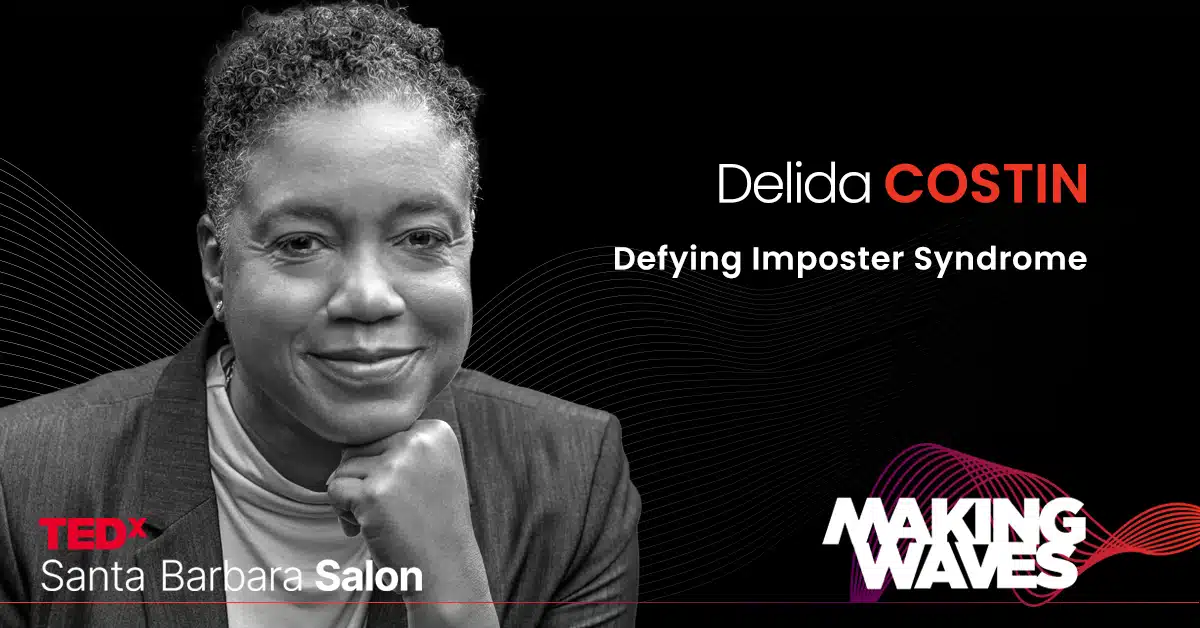
    A solid executive personal brand can help you be a better leader in the face of feeling like a fraud, especially the way Delida Costin thinks about it.

    I was so inspired by Delida Costin during her August TedX Santa Barbara session, “Defying Imposter Syndrome.” She said, among many amazing things: “You have to run to the hard stuff because that’s where we get better.” Building on that thought, the team at Revealing Genius can vouch that executive personal branding helps leaders be effective when they run to the hard stuff.

    Something that fits on the “hard stuff” list for most leaders is imposter syndrome, the subject of Costin’s recent talk. Having clarity about their personal brand has helped many leaders manage imposter syndrome for themselves and others—including the broader aspects of imposter syndrome that Costin adds to the conversation.

    Let’s take a moment to talk about what imposter syndrome has often been thought of—and Costin’s new ideas about it. Then let’s explore how executive personal branding can help leaders when they themselves feel like imposters—or when they see others in their organizations feeling that way.

    Traditional Imposter Syndrome and a Broader View

    In the business world, imposter syndrome has been defined as feeling that you’re a fraud in the workplace, that you’re not truly good at what you do, that you don’t belong. While this internal perception can be real for some people, Costin points out that others don’t experience imposter syndrome internally. Instead, these other professionals are confident they can do their jobs and even successfully grow into increasingly responsible roles. These confident leaders and aspiring leaders feel like imposters because of external, systemic factors—such as being of a generation, gender or race for which our society or an individual organization is not ideally built, Costin explained.

    In her TedX, Costin, an attorney, illustrated this point with a story from her own experience, which includes facilitating two initial public offerings, including Pandora. This story comes from when Costin was a young associate in a law firm.

    A male partner invited Costin and two other then-associates, both male, to play golf. When Costin arrived, she was told that women weren’t allowed on the green before noon. The partner and the other two associates played golf, leaving Costin to “nurse a Coke” by the pool with the other women and the children. Costin said this was her introduction to being made to feel like an imposter from outside. The system in place didn’t pave the way for her to grow her career while being herself. Instead, it “othered” her, making her feel like an outsider, even an imposter.

    Costin explained in her talk that her career has helped her realize the benefit of being a “#defiant imposter” when facing something systemic that makes her feel like something less than she is. Given the golf course situation again today, she said, she might state, “I guess nobody is going to play golf today.” This is an example of what a defiant imposter would say to move the needle toward a more equitable situation for herself and those coming after her.

    Costin explained in her talk that as professionals progress in their careers, they have more responsibility to speak up. “As we become more senior, we have the ability to clear those red lights, not just the ones that are internally imposed but also those that are externally imposed,” she said. 

    The partner that took the group to the golf course that day “didn’t mean to make me feel uncomfortable,” Costin said, but he hadn’t thought things through. According to Costin, the question leaders need to ask and answer is, “How do we help people in this moment when the change (that we need and that would help them) has not yet arrived?” 

    Executive Personal Branding as a Tool for Transforming Imposter Syndrome

    The time-proven Excavate–Tell–Affirm™ executive personal branding process from Revealing Genius is an important tool for overcoming both internal and external imposter syndrome. For more on how it helps with internal imposter syndrome, read this Revealing Genius blog. For more on how it helps overcome external imposter syndrome, read on.

    In the excavate part of the process, leaders do exercises that help them clarify who they are, what they stand for, and the big, positive change they’d like their leadership to facilitate in the world. In the affirm step, leaders steep in their brand until they believe in it with conviction. When we support leaders in their efforts to tell others about their brands, they become poised and ready to deliver on their visions. They also are much less vulnerable to feeling like they’re a fraud because they have such clarity about who they are, who they are here to serve and their unique reason to serve.

    Believing in their executive personal brands down to their bones also helps leaders we work with gain enough confidence to “defy” external, systemic pressures that can lead to imposter syndrome. In fact, with a fully excavated personal brand, leaders like you are primed to become “defiant imposters,” the kind of leaders who are working to improve and society.

    An Example of a ‘Defiant Imposter’

    Now an alum of the Brand Leadership Summit from Revealing Genius, Costin herself has been a defiant imposter, using her personal brand to pave the way for others. For example, the dress code for anyone ringing the bell on the New York Stock Exchange is to wear black, gray or blue. When Costin took Pandora public, earning the privilege to ring the bell, she wore white.

    “I wanted to be somebody that popped. I wanted the world to see it,” Costin said during the TedX event. “You do it for yourself, but you also do it to inspire and change (the world) for the people behind you.”

    Ready to Clarify Your Executive Personal Brand?

    If you think having full clarity about yourself as a leader could help you change the world for the better, you’re right! Ready to experience the powerful impact you can make when you facilitate meeting imposter syndrome with brand clarity? We’d be delighted to assist.

    First, download our free whitepaper about imposter syndrome. Then learn more through our free 10-minute webinar, Brand Leadership Summit or online course. We’re honored to work with boards and leadership teams as well as individual leaders on your transformation statement and your brand manifesto.

    Mary E. Maloney

    Mary E. Maloney, FACHE

    An executive advisor, educator, speaker, author and producer, Mary E. Maloney is the founder of Revealing Genius and the expert that accomplished leaders trust for positioning, messaging and brand strategy for themselves, their teams and their organizations. A former CEO and CMO, Maloney guides C-suite leaders, founders, physicians and board directors to powerfully and strategically message their expertise and “why” so they lead with conviction and achieve their most coveted goals.

  • My Guest Needs No Introduction, Yet She Has Imposter Syndrome

    My Guest Needs No Introduction, Yet She Has Imposter Syndrome

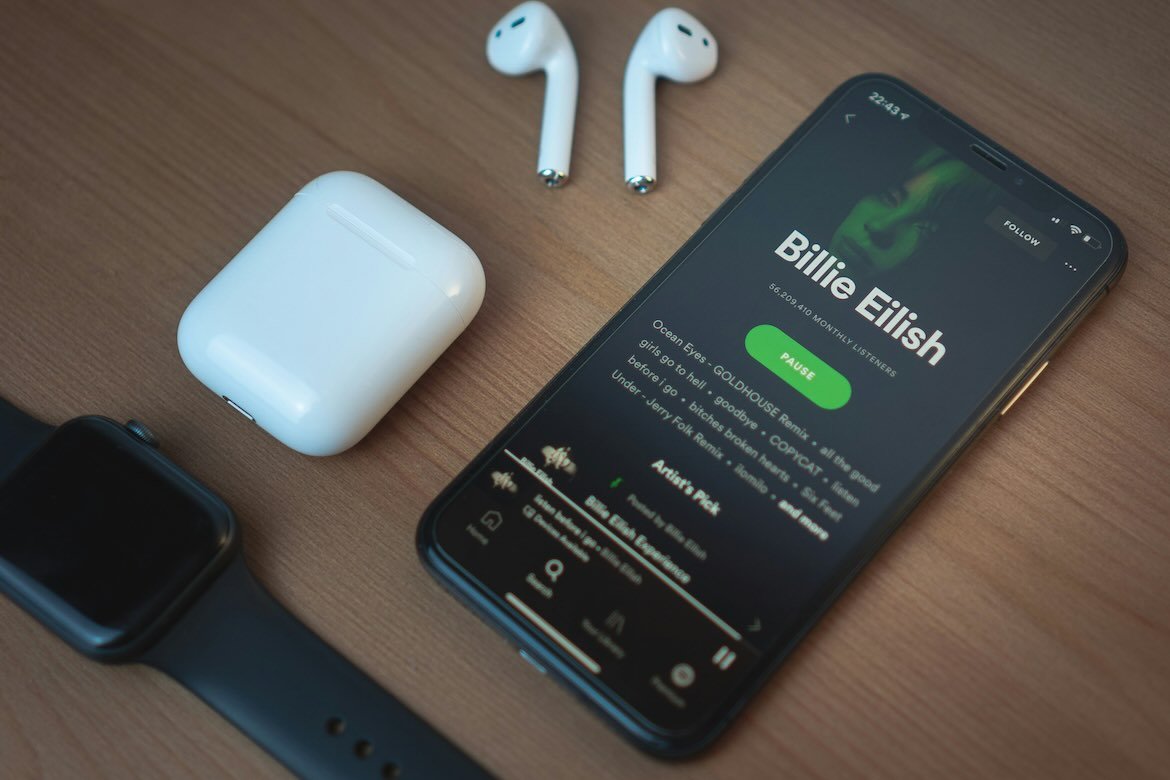
    The Excavate–Tell–Affirm™ process from Revealing Genius points to ways to overcome this challenge that even pop music prodigy Billie Eilish experiences.

    If someone as accomplished as Billie Eilish experiences imposter syndrome, it’s no surprise that many of us do, too. Fortunately, the Excavate–Tell–Affirm™ process from Revealing Genius can help leaders overcome this very real challenge.

    During the fourth season of his “My Next Guest Needs No Introduction” Netflix series, David Letterman interviewed Eilish, an American singer-songwriter who has received many awards and nominations. I’ll call out just a couple of them:

    In 2019, Eilish’s “don’t smile at me” crossed the mind-boggling 1 billion Spotify downloads mark. Putting that figure into context, Letterman pointed out during the Netflix interview that there were only about 7 billion people on the planet when the episode was taped in 2022. (Today that figure is closer to 8 billion). 

    In 2020, at age 18, Eilish became the youngest person to win a Grammy for album of the year. 

    And yet, despite these and many other amazing accomplishments, Elish told Letterman she sometimes felt like an imposter. 

    “I feel like I somehow managed to pretend that I was a celebrity for so long that I became one,” she said. 

    While “My Next Guest Needs No Introduction” didn’t get into what Eilish does to overcome her doubts, the time-proven Excavate–Tell–Affirm™ executive personal branding process from Revealing Genius connects leaders to many potential ways to get past this obstacle. In this blog, I’ll focus on three:

    1. Create a one-page brand manifesto. A brand manifesto succinctly summarizes your two-word purpose statement, your why and your (up to nine) hows. (Get our related white paper: Overcoming Imposter Syndrome.)
    2. Prepare a “capsule messaging collection,” a phrase coined by my colleague and collaborator @ColleenScollans, from Clarke & Esposito. This will help you answer with confidence and conviction—in any situation—the age-old question, “So, what do you do?” (Get our related white paper: Personal Introductions Can Make or Break a Brand.)
    3. Sponsor other leaders. Once you get established in your career, people watch you closely and ask, “What does this leader do with their brand?” One of the best things you can do to polish your brand is “send the elevator back down” to help someone else rise—that is, sponsor a protégé. (Get our related white paper: The Key to Elevating Your Executive Personal Brand? Sponsor Someone Else’s.)

    Let’s talk a bit more about each of these.

    Brand Manifesto

    A brand manifesto describes your purpose in two impactful words, your why and your hows (up to nine of them). In other words, developing your brand manifesto excavates and articulates the unifying and deeply-held forces that define your convictions and, therefore, your personal brand. 

    The end product is a single page of clarity about why people should care about your unique genius. 

    Importantly, you can create a brand manifesto for yourself and, CEOs and boards, for your organization; there is incredible power when these align. (Read this blog for more on this idea!)

    Our white paper, Overcoming Imposter Syndrome, not only describes the process of declaring your brand as a way to deliver on your authentic genius, but also tells the success stories of Revealing Genius clients who have used their brands to help them overcome feeling like an imposter.

    Capsule Messaging Collection

    How many times in your career have you been called upon to introduce yourself to another person or a group? Probably many times.

    Some people feel like such imposters that it’s difficult for them to answer at all. 

    Others answer with their title or a one-size-fits-all elevator pitch—or by pausing to think about their audience before speaking.

    Our experience at Revealing Genius is that you can answer better if you have developed a capsule messaging collection. It’s a grid that helps you think about all your potential audiences—both personal and professional— and customize your brand messaging for each.

    Get more details and thought starters to get you rolling from our short but impactful white paper about personal introductions. Then the next time someone asks you about what you do, you needn’t feel like an imposter. Instead,  you can answer with conviction!

    Sponsorship

    Do you believe in your brand enough to stand up to help someone else build theirs? If so, it’s important to note the key differences between coaching, mentoring and sponsoring.

    A coach helps to augment existing skills.

    A mentor advises and offers guidance.

    A sponsor advocates.

    Beyond sponsorship’s inherent benefits and the personal satisfaction we fervently believe it offers, sponsoring a protege will likely help you rise above the noise and elevate your personal brand. People will believe in your brand because you use it to take positive action for others. Sponsoring a protege also can help you build a personal brand legacy.

    Our whitepaper, The Key to Elevating Your Executive Personal Brand? Sponsor Someone Else’s,  takes these ideas even further.

    Overcoming Imposter Syndrome

    Are you ready to take the next step to deliver authentically on your brand? 

    Be sure to download the free white papers mentioned in this blog; they are our gifts to you. You can also learn more by accessing our free 10-minute webinar, attending our 7-day Brand Leadership Summit or enrolling in our online course. We’re honored to work with boards and leadership teams as well as individual leaders on their transformation statement and brand manifesto.

    Mary E. Maloney

    Mary E. Maloney, FACHE

    An executive advisor, educator, speaker, author and producer, Mary E. Maloney is the founder of Revealing Genius and the expert that accomplished leaders trust for positioning, messaging and brand strategy for themselves, their teams and their organizations. A former CEO and CMO, Maloney guides C-suite leaders, founders, physicians and board directors to powerfully and strategically message their expertise and “why” so they lead with conviction and achieve their most coveted goals.

  • Overcome Imposter Syndrome Using Executive Personal Branding

    Overcome Imposter Syndrome Using Executive Personal Branding

    Shift your mindset to believe in yourself fully and achieve new performance heights.

    Do you ever doubt your professional abilities and wonder if you will be revealed as a fraud—despite your demonstrated high performance as a leader in healthcare? Take heart, as you’re not alone. Plus, executive personal branding, in particular the time-proven Excavate–Tell–Affirm™ process from Revealing Genius, has helped hundreds of leaders like you overcome such feelings and more rapidly achieve the next milestone in their careers.

    Is Imposter Syndrome Real?

    Oh yes. Imposter syndrome is well-documented and very real. 

    According to our white paper on the subject, imposter syndrome is “not a diagnosable illness but rather a phenomenon loosely defined as persistent feelings of inadequacy and fraudulence despite evidence to the contrary. Imposter syndrome’s frequency among high achievers … underscores its reputation as enigmatic and in defiance of reality and facts.” 

    Similarly, the author of the June 2023 Forbes article, “How to Overcome Imposter Syndrome,” acknowledges that “the irony here is that you have to be dedicated and successful … to have imposter syndrome.”

    “If you never achieved anything,” the article continues, “you wouldn’t have to wonder if you deserved it. And if you didn’t care, you wouldn’t be worried.”

    But don’t just take it from us and Forbes (and the Harvard Business Review, the American Psychological Association and the Cleveland Clinic). The authors of a paper published by the National Institute of Health’s National Library of Medicine/National Institute of Biotechnology Information point to its particular significance in the healthcare field. 

    “Imposter syndrome is a commonly reported and experienced phenomenon that affects high-functioning, high-achieving individuals, particularly in medicine and healthcare,” they write. “Due to the many potential detrimental effects of this syndrome on these individuals, in addition to the multiple associated co-morbidities, including depression, anxiety and other behavioral health issues, the identification and treatment of those affected with this syndrome are imperative.”

    For treatment and management of imposter syndrome, the NIH paper authors suggest “self-reflection for metacognition”—awareness and understanding of one’s own thought processes—and “gratitude exercises to focus on what one has accomplished,” among others. Executive personal branding and the Excavate–Tell–Affirm™ process fit right in here. Let’s discuss how.

    An Antidote to Imposter Syndrome

    When healthcare leaders are experiencing imposter syndrome—and it’s commonly reported that up to 70% of people do at one point or another—it’s difficult for them to believe in themselves and that they make a unique and positive impact on the world. It can be even harder for leaders experiencing this syndrome to talk about their unique genius in ways that advance their careers and visions.

    The three steps of the Excavate–Tell–Affirm™ personal branding process are a perfect antidote to these problems. 

    They are designed to first help a leader authentically excavate what they are best at in the world, then learn to tell others about their uniqueness in appropriate and effective ways, and finally to affirm their brands—until they believe in their brands, and thereby themselves, so deeply they can feel it in their bones.

    In all, the executive personal branding process addresses those two key treatment strategies for imposter syndrome suggested by the NIH paper. The process includes a great deal of self-reflection, sets the groundwork for a positive mindset shift and develops deep gratitude for what a leader has accomplished.

    Leader Overcomes Imposter Syndrome

    To illustrate what we’re talking about, let’s consider an abridged version of the personal branding case study included in the Revealing Genius white paper, “Overcoming Imposter Syndrome.”

    In 2020, a late-career, highly compensated executive was downsized from a Fortune 25 healthcare company. She was eager to strategically consider her next career move—a move she hoped would be her last, her “swan song.” 

    However, despite several decades of significant success at work, our client’s executive resume was, frankly, plain vanilla. The language she had used to describe her remarkable achievements reduced those successes to bland lists of line items that failed to capture her spirit, expertise, core competencies and compelling “why.”

    When the possibility she might be experiencing imposter syndrome was brought to her attention, she agreed she had a textbook case, likely influenced by her unexpected unemployment.

    Using the Excavate–Tell–Affirm™ process, our client was able to confidently embrace her documented genius. This allowed her to rise above the noise and build out a professional story that was indisputably genuine. Download the free white paper to get the amazing details of what happened next with her career!

    You Can Do This, Too

    The Excavate–Tell–Affirm™ process enables leaders like you to effectively pinpoint and communicate what they’ve accomplished and why they do the work they do—critical steps in both creating your authentic executive personal brand and overcoming imposter syndrome.

    Besides reading our white papers, you may wish to sign up for our complimentary Excavate Your Brand webinar or invest in our newly released online course or 7-Day Summit. If you want to accelerate the process, we provide 1:1 executive coaching options too. 

    Mary E. Maloney

    Mary E. Maloney, FACHE

    An executive advisor, educator, speaker, author and producer, Mary E. Maloney is the founder of Revealing Genius and the expert that accomplished leaders trust for positioning, messaging and brand strategy for themselves, their teams and their organizations. A former CEO and CMO, Maloney guides C-suite leaders, founders, physicians and board directors to powerfully and strategically message their expertise and “why” so they lead with conviction and achieve their most coveted goals.

  • Your Professional Brand Anchored by Assessments and Affirmations

    Your Professional Brand Anchored by Assessments and Affirmations

    Surveys and positive thinking can help you discern—and talk about—what makes you stand out.

    If you’re a health care leader, your professional brand in action likely has you analyzing reports about patient outcomes and inspiring staff members to give great care. These practices anchor you in being the best at what you do.

    Similarly, the time-proven ETA™ process from Revealing Genius is designed to help you and other health care leaders use science-based assessments and custom affirmations as anchors for discerning your uniqueness and learning to communicate your professional brands in a variety of situations that could help you achieve your next milestone. A cool thing about anchors is that they ground us when we need grounding. When it’s time to change, we can pull them up and re-examine them before putting them back in the water. In this blog, we’ll talk more about the executive brand anchors of assessments and affirmations.

    Assessments and Your Professional Brand

    On Day 5 of the Revealing Genius 7-Day Summit, participants learn about several evidence-based assessments that can help them understand key elements of their executive presence and personal branding.

    One of my favorite tools comes from the onpurpose.me website. It’s a two-minute survey that delivers a two-word “purpose statement.” For example, I’ve known leaders whose two-word purpose statements were “cultivating hope,” “inspiring joy” and “embracing grace.” Onpurpose.me goes on to help people reflect on their two-word statement with a series of follow-up exercises and reflections.

    I also like the Enneagram, which describes personality in terms of nine types, each driven by its own set of core emotions, fears and beliefs; the Core Value Index, which reveals your unchanging motivational drivers and how you are wired to contribute to the world around you; and the DISC tool, which helps you understand both your personality and your communication style. 

    During the Summit, I describe more assessments executives like you can use to help you anchor your professional brand. But you don’t have to wait until you attend the Summit to explore this. Pick one of the tools described here. Complete it this month and use the results to help you with affirmations, which we’ll discuss in the next section.

    Affirmations and Your Professional Brand

    During the 7-Day Summit, participants not only take the Onpurpose.me assessment, but also a first step into affirming who they are and what they are best at in the world. “Affirm” is the important third step of the ETA™ process for professional branding that we talked about in the introduction to this blog. During the affirmation step, you say out loud words that will help you become more fully who you are and more fully do what you are best at in the world.

    Right here, right now, you can do the very same exercise the Summit participants do. Simply fill in the blank in the following sentence. Don’t think too hard about it. Keep breathing while you do this.

    I affirm that one of my core competencies is _________________________________.

    Write down the competency that comes to mind; type it into your computer; or text it to yourself. Then take some time to say it out loud over the next couple of days. How do you feel about that competency after a few days of affirming it in this way? Do you believe in it more strongly?

    The power of positive affirmations is well-known. Scientists have even found that the use of affirmations can spur activity “in key regions of the brain’s self-processing … and valuation … systems when reflecting on future-oriented core values ….”

    While the research is telling, I also know from personal experience about the power of custom affirmations. My brother is a world-class rower who used affirmations to win a key race that you might have expected to be owned by a younger person. I also watch what happens with my program participants and clients. When their unique genius is positively reinforced, they become more confident in who they are and in expressing that to the world.

    Thoughts on Your Professional Brand Journey

    Your work as a health care leader is anchored in science and best practices in leading people. As science makes more discoveries and coaches find ever-better strategies for strengthening teams and individual contributors, you pull up your anchors, assess and refine them, then drop them back down.

    So too with your professional brand. You start with key anchors like assessments and affirmations to help you discern and learn to talk about what you are very best at in the world. But then, at key intervals, you re-examine your positioning.

    For example, I recommend doing an assessment at least once a year. And you might change your affirmations at key points in your career—when you are promoted, develop an important new skill set, acquire a board seat or change the composition of your team. As part of your ongoing professional branding efforts, the anchors of assessments and affirmations will help you more quickly see—and achieve—the next milestone in your career.

    Ready for some help in anchoring your professional brand with assessments and affirmations? Please sign up for our 45-minute complimentary webinar, our 7-Day Summit,  RG365 membership daily emails or 1:1 sessions. We look forward to working with you.

    Mary E. Maloney

    Mary E. Maloney, FACHE

    An executive advisor, educator, speaker, author and producer, Mary E. Maloney is the founder of Revealing Genius and the expert that accomplished leaders trust for positioning, messaging and brand strategy for themselves, their teams and their organizations. A former CEO and CMO, Maloney guides C-suite leaders, founders, physicians and board directors to powerfully and strategically message their expertise and “why” so they lead with conviction and achieve their most coveted goals.

  • Personal Branding for Executives: Steep in Your Purpose

    Personal Branding for Executives: Steep in Your Purpose

    Five great ways to boost your conviction about your executive personal branding

    The third step in the time-proven ETA™ process for personal branding for executives—“affirm”—helps you feel your brand in your bones.

    When you thoughtfully affirm your brand, you can find deep resonance with it. You will know, without any doubt, your unique reason to serve—and be able to talk about it with conviction in many different situations.

    Reaching a belief in something that’s so deep we call it conviction doesn’t happen overnight. I recommend to my clients that they spend time reflecting on their brands and practicing their brand messages. Taking time to affirm your brand means you’ll be able to call on it to help you make decisions, set goals that are on-brand and, ultimately, realize your life’s work.

    This is heady stuff in a way. But you can build your conviction in your brand by “steeping” in it with very concrete and approachable methods. Take a moment to make yourself a cup of tea and then read on for five great ways to affirm your brand. 

    1. Get your two-word purpose statement and reflect on its meaning for your executive personal branding.

    My friend Kevin W. McCarthy has created an amazing tool for discovering your brand. Onpurpose.me is a two-minute online survey that will reveal your two-word purpose statement. As part of the program, you will receive 10 follow-up emails with tools to help you refine, reflect on and come to believe deeply in your uniqueness. Each email is a refreshing sip of inspiration and instruction.

    2. Take other science-based assessments of your strengths and think about what they tell you about your executive personal branding.

    When is the last time you took an evidence-based assessment to help you understand who you are and what you are best at in the world? I recommend that my clients do such an assessment at least once a year, including taking time to think about what the results mean for their executive personal branding.

    Here are three assessments of the seven I provide during the 7-Day Revealing Genius Summit. Each of these is free:

    • The Enneagram describes personality in terms of nine types, each driven by its own set of core emotions, fears and beliefs. It takes about 10 minutes to complete the survey’s 105 questions.
    • The Core Value Index reveals your unchanging motivational drivers and how you are wired to contribute to the world around you.
    • The DISC tool helps you understand your personality and your communication style. It aims to illuminate who you are at your core so you can live a more authentic life.

    3. Write and affirm your transformation statement—a clear, concise expression of your personal brand message.

    Your transformation statement is also known as your “elevator pitch.” This is the statement that helps you answer the age-old business question, “So what do you do?”

    You can learn to write an amazing transformation statement during our 7-Day Summit and see the formula for writing one in this blog. Once you have your statement in hand, steeping in it can take many forms. For example, I recommend that executives say their transformation statements out loud many times.

    One of my clients, a multi-lingual (five languages!) board member, investor and CEO of a category/region for Procter & Gamble, has it on display in an antique typewriter in his office in Switzerland!

    Antique typewriter displaying personal branding for executives

    4. Establish a supportive network that understands the process of executive personal branding.

    As a leader, you probably already have a network of professionals that you turn to when you need a sounding board. Some of these people will probably be helpful when you want feedback on your executive personal branding efforts.

    I also recommend also having a cohort that is familiar with the ETA™ process, so they can speak your language about branding. Revealing Genius offers several ways to connect with leaders who are on a similar path with executive personal branding. These include attending the 7-Day Summit and networking with others you meet in our free webinar.

    5. Participate actively in the 7-Day Revealing Genius Summit, which focuses on executive personal branding.

    I’ve mentioned the 7-Day Summit several times already in this post. And that’s because the summit has so much to offer when it comes to steeping in your developing personal brand. I encourage you to sign up and experience the benefits. Read more here about the agenda for each day of this summit.

    Hopefully, you have found something in this content that will support your effort to do executive personal branding. One last resource before I sign off—be sure to sign up for our free monthly Revealing Genius newsletter by adding your email in the box at the bottom of this webpage.

    I’d also welcome the opportunity to talk with you 1:1 to support you in building your executive personal brand, discuss ways to steep in it to build your conviction and, ultimately, help you realize the personal and professional benefits of having clarity about your purpose.

    Mary E. Maloney

    Mary E. Maloney, FACHE

    An executive advisor, educator, speaker, author and producer, Mary E. Maloney is the founder of Revealing Genius and the expert that accomplished leaders trust for positioning, messaging and brand strategy for themselves, their teams and their organizations. A former CEO and CMO, Maloney guides C-suite leaders, founders, physicians and board directors to powerfully and strategically message their expertise and “why” so they lead with conviction and achieve their most coveted goals.

  • Why Is Executive Personal Branding Aided by Affirmations?

    Why Is Executive Personal Branding Aided by Affirmations?

    Repeating customized words that describe your unique genius creates both clarity and conviction.

    Executive personal branding is well-supported by the use of affirmations. That’s why Revealing Genius builds them into every step of our executive personal branding program.

    Think about the famous children’s story, “The Little Engine That Could.” In it, a long train must be pulled over a high mountain after the locomotive breaks down. A small engine agrees to give this big job a try.

    As the little engine works to pull the train over the mountain, it repeats the motto, “I-think-I-can, I-think-I-can.” Children and adults alike applaud when the little engine reaches its goal. And we can all see that the engine’s positive attitude and the spoken affirmations of that attitude help it get there.

    We also hear a lot about affirmations being used in sports. When coaches consistently tell good athletes they can row faster, lift heavier or jump further, they do. When football players, gymnasts or discus throwers use affirmations to instill in themselves the belief that their training will pay off, new world records get set.

    Revealing Genius uses custom, “bepoke” affirmations in every step of its time-proven ETA™ (Excavate-Tell-Affirm) personal branding process. Here are some examples of how we do it. 

    Executive Personal Branding: Introducing an Executive Personality

    During the Revealing Genius 7-Day Summit, participants use a special formula to create an effective elevator pitch. Once finalized, this pitch becomes a key tool for telling others about their executive personal brands. 

    Affirmations are built into the process. After some individual work time, summit participants pair up and give each other feedback on their pitches. When the group comes back together, participants introduce their partners by saying, “It is my honor and privilege to introduce _____” and then explaining their understanding of their partner’s executive personal branding.

    The phrasing of the introduction using “honor and privilege” is key to partners affirming one another’s executive personality; the support emanating through the virtual classroom is almost palpable.

    Masterminds Deliver Affirmations of Executive Personal Branding

    Participants in the 7-Day Summit are often privileged to have a visit from members of a Revealing Genius“Mastermind Group.” These visiting VIPs explain why they decided to meet regularly with a cohort to support their work on executive personal branding. A key element in that decision is always the affirming nature of these groups.

    Bespoke Affirmations Matter When Doing Executive Personal Branding

    You’ve probably already noticed that the affirmations used in the ETA process are highly customized to each executive personality. Why do you suppose we do that?

    If you Google “affirmations,” you’ll see there are affirmations for the morning, for success, for happiness, for overcoming anxiety, for kids, for self-esteem. You name it. The most effective affirmations are bespoke for their particular purpose. 

    Executive Personal Branding and Affirmations

    Like I wrote at the beginning of this blog, affirmations are built into every step of Revealing Genius’s executive personal branding program because they work.

    I know this from personal experience. My brother is a world-class athlete who used spoken affirmations to take his performance to incredible heights. I watch what happens with my program participants and clients, too. When their unique genius is positively reinforced, they become more confident in who they are and in expressing that to the world.

    Of course, including executive personal branding affirmations in every step of the Revealing Genius process also stems from my unique purpose: I want everyone to win, to know more about their brand and to succeed at doing what lights them up. The world will be a better place when everyone discovers their true purpose—and then delivers on it.

    If you are interested in affirming your executive personal brand, I hope you’ll subscribe to my e-newsletter by adding your email at the bottom of this webpage and signing up for our 7-Day Brand Genius Summit.

    Mary E. Maloney

    Mary E. Maloney, FACHE

    An executive advisor, educator, speaker, author and producer, Mary E. Maloney is the founder of Revealing Genius and the expert that accomplished leaders trust for positioning, messaging and brand strategy for themselves, their teams and their organizations. A former CEO and CMO, Maloney guides C-suite leaders, founders, physicians and board directors to powerfully and strategically message their expertise and “why” so they lead with conviction and achieve their most coveted goals.

  • Refining Your Personal Brand Message? Start With an Audit

    Refining Your Personal Brand Message? Start With an Audit

    Conducting a personal brand message audit

    Conducting a financial audit is surprisingly parallel to conducting an audit of your personal brand message.

    Conducting a financial audit may seem like a dry undertaking, but an organization typically gets a lot of benefits from doing one. If you are refining your personal brand message, you can gain many of these same benefits by doing what I call a “brand audit.”

    The brand audit will help you align your personal brand with your unique why.  When it does, you can speak with conviction about your brand.

    Slow down to conduct your personal brand audit

    A company doing an audit has to slow down, close its financials and look at how it is living up to its mission. Completing an audit helps ensure the organization’s compliance with accounting rules and industry regulations. And, as a bonus, a successful audit helps a company boost its reputation with its clients and stakeholders.

    Similarly, doing a brand audit can help you pause to excavate your genius. When you know what you were born to do, you can align everything with that key thing that lights you up, create a compelling personal brand message that you can use with conviction, and achieve your keystone goals.

    Examine the collateral for your personal brand message

    A key step in doing a brand audit is examining your brand collateral. When you do so, you’ll ensure that it is living up to branding best practices and is aligned with your purpose. As a bonus, a successful brand audit will help you better express your personal brand message to others—whether they’re friends or potential clients.

    Use a personal brand message coach

    Revealing Genius offers several ways to approach a brand audit to help you with your personal brand message. These include our complimentary monthly webinar, our quarterly 7-Day Summit, and our two-session Brand Audit coaching package.

    For example, during one of the most popular days of the 7-Day Summit, the cohort audits several of their classmates’ brand collateral.

    The classmate whose brand item is being evaluated provides a two-minute overview of the brand and the asset (such as a LinkedIn profile), detailing what personal brand message is to be sent and what feedback is desired. The presenting classmate also shares a signature brand story that no competitor would be able to tell.

    The cohort then takes two minutes to review the brand asset before completing a short survey evaluating it. Finally, the classmate whose brand is being evaluated and the cohort have a Q&A.

    If you’re the one on the “hot seat,” this process is rapid-fire, fun, friendly, and very effective in helping you perfect your personal brand message.

    But don’t take my word for it. You can check out this powerful tool yourself first. Here’s how to go about it.

    Ask people from your professional network to look at a piece of your brand collateral and then answer the following questions:

    •   Do I understand, at what, you are best in the world?

    •   What’s the #1 key takeaway message?

    •   Can I explain what problems you solve?

    The bottom-line question is if I had to describe this brand to someone else, could I do that?

    Then have a conversation with them about your brand and how this particular asset represents it. Is your asset living up to best practices? Does it align with your purpose? Typically, this conversation generates great ideas for improvement.

    I hope you’ll soon be undertaking a brand audit in support of refining your personal brand message. When your brand promise and messaging align, you’ll be better positioned to serve in your unique corner of the world. Please sign up for a free exploratory call to learn more.

    Mary E. Maloney

    Mary E. Maloney, FACHE

    An executive advisor, educator, speaker, author and producer, Mary E. Maloney is the founder of Revealing Genius and the expert that accomplished leaders trust for positioning, messaging and brand strategy for themselves, their teams and their organizations. A former CEO and CMO, Maloney guides C-suite leaders, founders, physicians and board directors to powerfully and strategically message their expertise and “why” so they lead with conviction and achieve their most coveted goals.

    Photo by RODNAE Productions from Pexels

  • ‘That’ Question That Showed You What You Stand For Points to Your Personal Brand

    ‘That’ Question That Showed You What You Stand For Points to Your Personal Brand

    Answering these five questions can help you reveal your personal brand genius so you can better serve the world.

    Have you ever had the experience of someone asking you “that” question? The one that clarifies what previously had been muddy? The one that illuminates your next step? The one that may even re-energize you to leap out of bed each morning so you can do what you are meant to do? That question points to your personal brand.

    The time-proven ETA™ process, which stands for Excavate-Tell-Affirm, uses 10 key questions, one of which often proves to be “that” question for leaders going through the “tell” step of the process. This question helps them articulate what ideals and aspirations they truly hold with conviction.

    Here are five of the 10 questions for you to try out. (You can access the other five in this previous post.)

    1. What’s your story? If you met friends/prospects/business contacts for virtual coffee, how would you respond to this question? Deepen your answer by also considering what your story will be tomorrow if you met with them again and by simply telling your story in your own, unscriptedwords.
    2. What is your current state, and what state do you hope to reach? Where are you now and what are you striving for? How would you give voice to your aspirations?
    3. What are your three core values? Typically, people can come up with a pretty long list of things that are important to them. The job here is to narrow that list to just three. The free, science-based Core Values Index assessment may help you reveal your unchanging motivations.
    4. What would the topic of your one TEDTalk be? Another way to think about this is: If you were giving your final public performance or last lecture, what would you say?
    5. Who are your heroes and why? These heroes could be living or deceased. Even cartoon heroes can be powerful to consider in this exercise. Be sure you take time to think about why the heroes you choose are important to you.

    What about this exercise lit you up? Write it down.

    If you are doing some soul-searching on how to excel in your career, please sign up for the Revealing Genius e-newsletter. If you are looking to powerfully articulate your expertise and your “why” to fulfill what you desire most professionally, please join me for a complimentary 45-minute webinar to learn more about the ETA process.

    I look forward to hearing from you.

    Mary E. Maloney

    Mary E. Maloney, FACHE

    An executive advisor, educator, speaker, author and producer, Mary E. Maloney is the founder of Revealing Genius and the expert that accomplished leaders trust for positioning, messaging and brand strategy for themselves, their teams and their organizations. A former CEO and CMO, Maloney guides C-suite leaders, founders, physicians and board directors to powerfully and strategically message their expertise and “why” so they lead with conviction and achieve their most coveted goals.

    Photo by Arek Socha

  • Top 2 Reasons to Attend the Revealing Genius Summit: Takeaways and Breakthroughs About Your Personal Brand

    Top 2 Reasons to Attend the Revealing Genius Summit: Takeaways and Breakthroughs About Your Personal Brand

    This 7-day program delivers concrete tools and eureka moments.

    Top leaders invest their time and energy in providing quantifiable deliverables to their organizations and the people they serve. They also invest in pursuing the kind of inspiration and self-knowledge that will help them lead others in pursuit of the better world they envision. That is, they pursue understanding of their personal brand.

    Because leaders like you value both concrete takeaways and “aha” moments, the Revealing Genius: 7-Day Summit provides an abundance of both.

    Solid Tools and Strategies for Creating Your Personal Brand

    When you leave the 7-day summit (check when the next one will be offered), you’ll take with you deepened clarity, confidence and conviction about your personal brand. Plus, you’ll have at least these five concrete items in hand:

    1. A two-word statement of your unique purpose
    2. A pragmatic way to manage your energy to project your ideal brand image
    3. A process for identifying your signature brand stories and three core messages
    4. A multi-point critique of your existing brand assets
    5. A proven system for creating compelling positioning statements, including your 30-second elevator speech
    6. A badge certificate noting your completion of the course to post on your LinkedIn profile

    Career-Changing ‘Aha’ Moments

    To help illustrate the kinds of eureka moments you may have during your attendance at the 7-day summit, let’s look at what some past participants have said about their experience with the program.

    Leadership Coach for the pharmaceutical industry, Ana Lucia Jardim, had a follow-up coaching session in addition to participating in the 7-day summit.

    “In a short period of time, I had one of the biggest a-ha’s of my career regarding my purpose and where to direct my career next,” she says. “Mary picked up on subtle cues that revealed a part of my brand which I had always dismissed as unimportant but is in fact what I am best at in the world.”

    Dr. Stella Park, ND, is a medical intuitive who creates individualized treatment plans for her clients.

    “I just completed Mary’s 7-Day Summit ‘Excavate Your Brand Genius’ and truly gained important insights on how to articulate my brand,” Park says. “Mary included a mix of exercises, group interactions, breakout sessions and quantitative assessments that led us as participants through a journey where we had significant breakthroughs.”

    Even experts in marketing and branding can benefit from the program, as the 7-day summit experience of Tara Mogan Blom, MCC, ABC, bears out.

    “Mary’s process is like an archeologist methodically dusting off layers until a beautiful treasure is revealed,” she explains. “I have 25 years’ experience in a field closely related to hers, but I learned something new and useful every day of her Summit.”

    Ready for some great tools and some great inspiration to help you refine and express your personal brand and how you can best serve? Note: Your time commitment is one hour each day for 7 business days from noon to 1 pm EST.  Sign up today!

    If you are doing some soul-searching on how to excel in your career, please sign up for the Revealing Genius e-newsletter. If you are looking to powerfully articulate your expertise and your “why” to fulfill what you desire most professionally, please join me for a complimentary 45-minute webinar to learn more about the ETA process.

    Mary E. Maloney

    Mary E. Maloney, FACHE

    An executive advisor, educator, speaker, author and producer, Mary E. Maloney is the founder of Revealing Genius and the expert that accomplished leaders trust for positioning, messaging and brand strategy for themselves, their teams and their organizations. A former CEO and CMO, Maloney guides C-suite leaders, founders, physicians and board directors to powerfully and strategically message their expertise and “why” so they lead with conviction and achieve their most coveted goals.

    Photo by Luke Richardson on Unsplash

  • A 45-Minute Investment in Your Personal Brand—and a Better World

    A 45-Minute Investment in Your Personal Brand—and a Better World

    Are you motivated to know and act on your unique call to serve? Being able to articulate what you stand for speaks volumes about your personal brand.

    The rewards of attending a Revealing Genius introductory webinar include motivation to know—and therefore better act upon—your unique call to serve.

    Many of us struggle to do something for ourselves. But what if I told you that attending spending 45 minutes totally focused on yourself in a Revealing Genius introductory webinar would enable you to better serve others with more impact?

    The scientifically-based and time-tested ETA™ process will help you excavate, verbalize and affirm your professional brand—the unique way you do good in your life. In this 45-minute complimentary introductory webinar, you will get a taste of the ETA process and a glimpse into what fuels the “why” for your own brand.

    More specifically, the rewards of joining an upcoming session include:

    • Insight into why it’s so worthwhile to discover your professional brand. Knowing your true purpose, your “why” can transform your life and bring you clarity on what matters the most. Developing a deep understanding of your unique purpose can be transformational. It brings your true purpose to life. In the webinar, you’ll hear real-life stories about people in the healthcare industry who have experienced this and how you can too.
    • Insight into why it’s so worthwhile to learn how to talk with conviction about your professional brand. Developing messages that express your unique reason to serve helps others know and support your purpose. The webinar describes the importance of knowing how to quickly articulate your expertise and “why” to make a clear and accurate impression.
    • Insight into yourself. When you excavate your brand, you focus on what matters most to you. During the webinar, you’ll sample some of the tools used during the Revealing Genius ETA process. You’ll gain immediate insights into your core passion and learn about how to excavate even further.
    • Insight into the ETA process. By now you may be asking, “What exactly do you mean by ‘ETA process’?” or “What does ‘excavate-tell-affirm’ really mean?” The introductory webinar will walk you through each step—and likely whet your appetite for more.
    • Motivation to excavate your brand so you can be your best self. The session also includes: examples of people in the news you can emulate, who effectively demonstrate what their brand stands for; and a powerful inspirational quote about the value of doing the great work of your life now.

    If you are doing some soul-searching on how to excel in your career, please sign up for the Revealing Genius e-newsletter. If you are looking to powerfully articulate your expertise and your “why” to fulfill what you desire most professionally, please join me for a complimentary 45-minute webinar to learn more about the ETA process.

    Mary E. Maloney

    Mary E. Maloney, FACHE

    An executive advisor, educator, speaker, author and producer, Mary E. Maloney is the founder of Revealing Genius and the expert that accomplished leaders trust for positioning, messaging and brand strategy for themselves, their teams and their organizations. A former CEO and CMO, Maloney guides C-suite leaders, founders, physicians and board directors to powerfully and strategically message their expertise and “why” so they lead with conviction and achieve their most coveted goals.

    *Note: a huge thank you to Ms. Jenya Antonova for providing the original, hand-painted artwork for this article. The Revealing Genius ETA (Excavate-Tell-Affirm) process fueled her inspiration to paint. This beautiful, symbolic art now hangs on the wall of my production studio (love it!)